How to Avoid Keto Flu Naturally With Metatrim BHB

Updated September 2026 · reviewed by the Metatrim BHB Research Team. We are an independent information resource, not a medical provider, and this article is educational rather than medical advice.
To avoid keto flu naturally, you replace the water and electrolytes your body sheds in the first low-carb days — through steady hydration, deliberate sodium, magnesium and potassium, an easier carb taper and real rest — before the symptoms take hold. Metatrim BHB walks through that week-one playbook and shows exactly where an electrolyte-bound BHB blend fits, without over-promising.
How to avoid keto flu naturally, in one place.
- The short answer
- Most keto flu comes from losing sodium and water when carbs drop, so replacing fluids and electrolytes early is the single most effective natural step.
- Hydrate first
- Drink to thirst plus a little extra, and pair the water with salt so it is retained rather than passed straight through.
- Mind three minerals
- Sodium, magnesium and potassium are the electrolytes low-carb eating depletes first — the trio behind most headaches, cramps and fatigue.
- Ease in and rest
- A gradual carb taper and lighter workouts give your body time to fat-adapt without the crash.
- Where a BHB blend fits
- An electrolyte-bound BHB supplement supplies magnesium, calcium and sodium alongside your food and fluids — a support, not a substitute for the habits above.
The “keto flu” makes a lot of people quit low-carb eating in the first week — right before it starts to feel good. The good news: it is largely preventable, because most of it comes down to fluids and minerals. This guide lays out how to avoid keto flu naturally, step by step, and is honest about where a supplement like Metatrim BHB helps and where it does not. A survey of dieters’ own reports found that “keto flu” symptoms cluster in the first week or so and then fade (Bostock et al., “Consumer Reports of ‘Keto Flu’ Associated With the Ketogenic Diet,” Frontiers in Nutrition, 2020).

What is keto flu, and why does it happen?
Keto flu is a temporary set of flu-like symptoms that some people feel in the first few days of sharply cutting carbohydrates — and it is not a real infection. When carbs drop, insulin falls, and one of insulin’s jobs is telling the kidneys to hold on to sodium. With insulin low, the kidneys shed more sodium and water, and where sodium goes, other electrolytes and fluid follow. That rapid shift — not the absence of carbs itself — leaves people feeling headachy, foggy and drained. We follow that thread further in our piece on sodium BHB as a keto electrolyte.
Because the cause is largely a fluid-and-electrolyte swing, so is the fix — which turns keto flu from an ordeal into something you can plan around. For the fuel your body is switching to, see our explainer on what BHB is and how exogenous ketones work.
What are the most common keto flu symptoms?
Keto flu symptoms cluster around dehydration and low electrolytes; they typically arrive on days two to four and fade as the body adapts. The table below groups the common symptoms and the natural lever that most often addresses each.
| Common symptom | Likely driver | First natural lever |
|---|---|---|
| Headache | Sodium and fluid loss | Water with a pinch of salt, or salted broth |
| Fatigue & brain fog | Low electrolytes; fuel transition | Electrolytes, food, and a lighter schedule |
| Muscle cramps | Low magnesium and potassium | Magnesium-rich foods; leafy greens, avocado |
| Irritability | Blood-sugar & hydration swings | Steady meals; consistent fluids |
| Dizziness on standing | Low sodium and blood volume | More sodium and water; stand up slowly |
None of these is a reason to panic; they are signals that your fluids and minerals need topping up. If a symptom is severe or unusual for you, treat it as a cue to check in with a professional rather than push through.
How to avoid keto flu naturally: the week-one playbook
The natural playbook for avoiding keto flu is simple to state: hydrate generously, salt deliberately, cover magnesium and potassium, ease into low-carb, and rest. Do those things from day one and most people barely notice the transition. Magnesium’s role in energy-yielding metabolism and muscle function, and how often intakes fall short of requirements, are reviewed in the nutrition literature (Volpe, “Magnesium in disease prevention and overall health,” Advances in Nutrition, 2013).
1. How much should you hydrate — and why salt the water?
Hydration is the foundation, because early keto physically pulls water out of you as glycogen unloads. But plain water can backfire: without sodium to hold it, much is simply passed. Drink to thirst plus a bit more, and pair a couple of glasses with a pinch of sea salt or a cup of broth so the fluid is retained.
2. Why is deliberate sodium the key move?
Sodium is the electrolyte you lose first and fastest on low-carb, so replacing it is the highest-leverage natural step you can take. Salt your food without guilt and keep broth on hand; many low-carb educators suggest healthy people need more sodium in the early weeks than standard advice assumes. One caveat matters: if you have high blood pressure, kidney concerns or a sodium-restricted diet, follow your doctor rather than general keto advice. Pooling randomised trials that ran a year or longer, very-low-carbohydrate ketogenic diets produced modestly greater weight loss than low-fat diets (Bueno et al., “Very-low-carbohydrate ketogenic diet v. low-fat diet for long-term weight loss,” British Journal of Nutrition, 2013).
3. Do you also need magnesium and potassium?
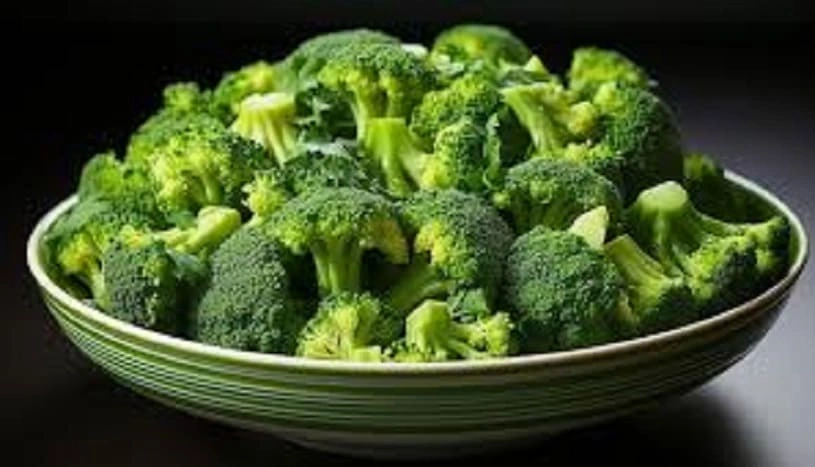
Magnesium and potassium are the second and third electrolytes to watch, and they are behind most keto cramps, twitches and restless sleep. Lean on whole foods first: leafy greens, avocado, nuts and seeds for magnesium; spinach and salmon for potassium. If your diet runs short, a modest magnesium top-up is reasonable — our deep dive on keto electrolytes breaks down sensible targets.
4. Should you ease into low-carb instead of crashing in?
Going from a high-carb diet to near-zero overnight is the surest way to feel keto flu at full strength. Tapering carbohydrate over a week or two — trimming the obvious sugars and refined starches first — gives your metabolism time to shift fuels gradually.
5. Why does rest matter more in week one?
Your body is doing metabolic work in the first low-carb days, so this is the week to be kind to it, not to test it. Prioritise sleep and keep workouts light — walks and easy movement over personal-best attempts — and expect energy to dip briefly before it rebounds.

6. Are you eating enough food and fat?
Cutting carbs and under-eating at the same time is a recipe for feeling terrible, and a mistake beginners make constantly. Replace the calories carbs used to provide with satisfying protein and fat so you are not both low-carb and under-fuelled — feeling ravenous and depleted is a sign to eat more, not to tough it out. We rank what is genuinely worth buying first in our guide to the best keto supplements for beginners.
| Natural step | Do this in week one | What it heads off |
|---|---|---|
| Hydrate | Water to thirst plus extra, some of it salted | Headache, dizziness |
| Add sodium | Salt food; keep broth handy | Headache, fatigue, light-headedness |
| Magnesium & potassium | Greens, avocado, nuts, salmon | Cramps, poor sleep |
| Ease in | Taper carbs over 1–2 weeks | The worst of the crash |
| Rest | Sleep well; keep workouts light | Deep fatigue, burnout |
| Eat enough | Ample protein and fat | Hunger, weakness, quitting |
Stack electrolytes in your favour for week one
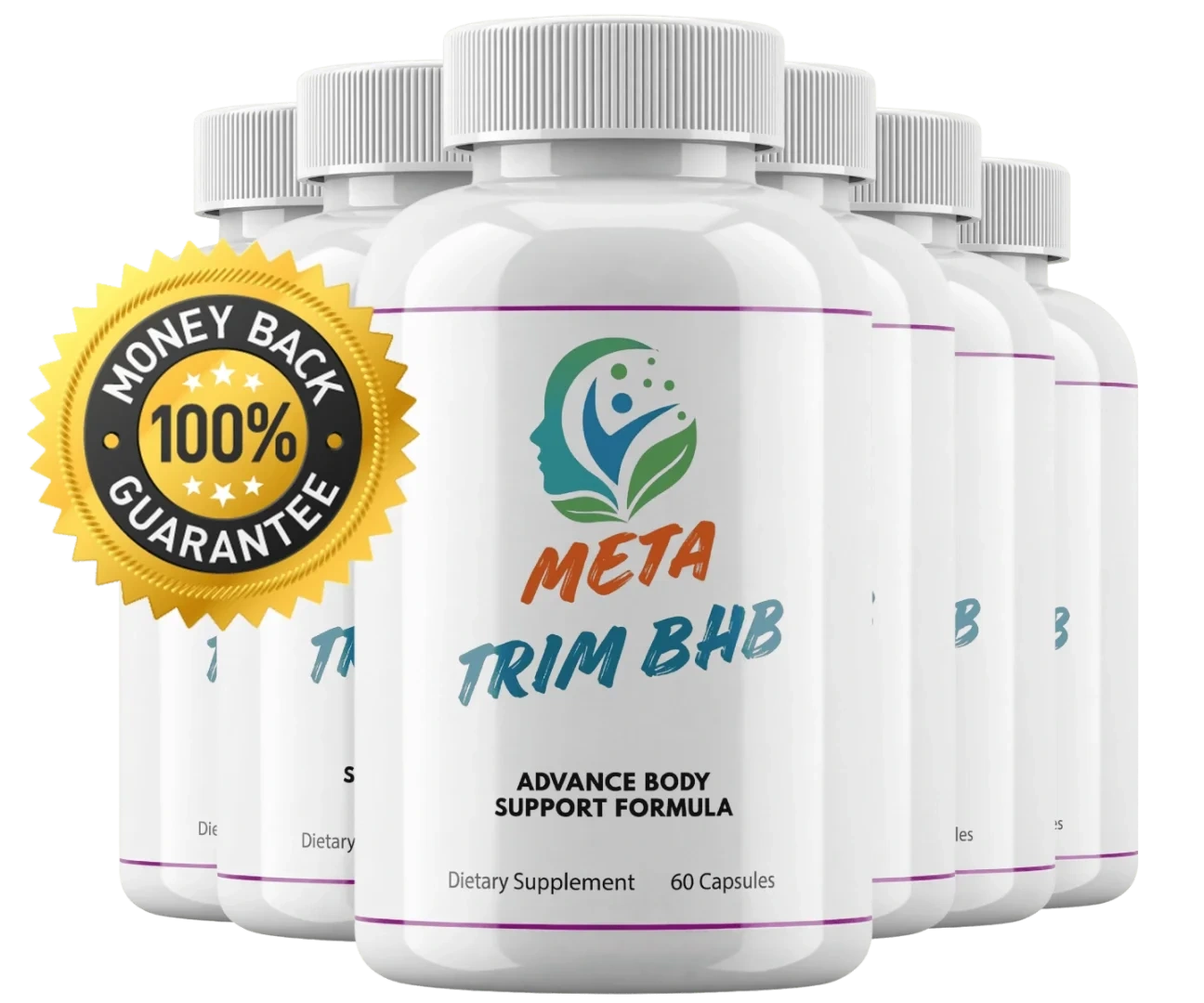
Metatrim BHB is a two-capsule daily dose of BHB bound to magnesium, calcium and sodium — the same electrolyte minerals early keto flushes out. See the exact dose in Metatrim BHB; the six-bottle bundle is the best value at $49 per bottle with free U.S. shipping and a 60-day guarantee.
Check today’s Metatrim BHB pricing — from $49/bottleHow does Metatrim BHB support the keto flu transition?
Metatrim BHB supports the keto transition by pairing exogenous BHB ketones with the exact electrolyte minerals a low-carb diet depletes — magnesium, calcium and sodium — in a two-capsule daily serving. Because the BHB is mineral-bound, each serving does double duty: a few hours of ketone fuel plus a contribution to the electrolyte load you are replacing with food and fluids.
The limits matter too, because honesty is the point. A BHB supplement does not put you into ketosis, does not replace salting food or drinking enough, and cannot promise to prevent keto flu — treat it as one reinforcement inside the natural playbook above, not the playbook itself. For the full mechanism, see how exogenous ketones actually work.
When should you see a doctor about keto flu symptoms?
Keto flu is, for most healthy people, a mild and short-lived nuisance rather than a medical event — but a few situations warrant professional input. See a doctor if symptoms are severe, drag on past a week or two, or include a racing heartbeat, fainting, persistent vomiting or confusion. And speak to a qualified professional before starting keto if you are pregnant or nursing, take medication, or manage a condition such as diabetes or kidney disease. Nothing here is a substitute for that individual advice.
Frequently asked questions
What is keto flu and how long does it usually last?
Keto flu is a cluster of temporary symptoms - headache, fatigue, irritability and brain fog - that some people feel in the first few days of cutting carbohydrates. For most people it eases within three to five days as the body adapts.
Can you avoid keto flu completely and naturally?
Many people greatly reduce keto flu, and some avoid it entirely, by staying hydrated, adding sodium, topping up magnesium and potassium, easing into low-carb and resting. There is no guarantee, but these habits address the fluid and electrolyte shifts behind most symptoms.
What is the fastest natural way to ease keto flu symptoms?
The quickest lever is usually fluid plus salt. Water with a pinch of sea salt, or a cup of salted broth, replaces the sodium and water early keto sheds and often takes the edge off a headache within an hour or two.
How much sodium do you need to prevent keto flu?
Many low-carb educators suggest healthy people without blood-pressure or kidney concerns may need more sodium in early keto - often around 3 to 5 grams a day from food and broth. Needs vary, so anyone on a sodium-restricted diet should follow their doctor.
Does Metatrim BHB prevent keto flu?
No supplement can promise to prevent keto flu, and Metatrim BHB does not claim to. It supplies BHB bound to magnesium, calcium and sodium - the electrolyte minerals a low-carb diet flushes out - alongside your hydration and food.
Is keto flu dangerous, and when should you see a doctor?
For most healthy people keto flu is a mild, short-lived nuisance rather than an emergency. See a doctor if symptoms are severe, last beyond a week or two, or include a racing heart, fainting, persistent vomiting or confusion, and speak to a professional before starting keto if you are pregnant, nursing, or manage a health condition.
See the exact dose in Metatrim BHB — risk-free for 60 days →
Metatrim BHB is a dietary supplement, not a treatment for any medical condition. These statements have not been evaluated by the Food and Drug Administration. This product is not intended to diagnose, treat, cure or prevent any disease. Always consult a qualified healthcare professional about your individual needs.
References & further reading
- National Center for Complementary and Integrative Health (NCCIH). Diet and Nutrition. nccih.nih.gov/health/diet-and-nutrition
- National Institutes of Health, Office of Dietary Supplements. Sodium — Health Information. ods.od.nih.gov/factsheets/Sodium-HealthProfessional
- National Institutes of Health, Office of Dietary Supplements. Magnesium — Fact Sheet for Health Professionals. ods.od.nih.gov/factsheets/Magnesium-HealthProfessional
- Harvard T.H. Chan School of Public Health, The Nutrition Source. Diet Review: Ketogenic Diet for Weight Loss. hsph.harvard.edu/nutritionsource — ketogenic diet
- Bostock ECS, Kirkby KC, Taylor BV, et al. Consumer Reports of “Keto Flu” Associated With the Ketogenic Diet. Frontiers in Nutrition, 2020 (PMID 32232045)
- Mayo Clinic. Nutrition and healthy eating — low-carb diet. mayoclinic.org — low-carb diet
These references describe hydration, electrolytes and ketogenic nutrition in general terms and do not constitute evidence that any product treats, cures or prevents any condition.
Keep reading: the keto diet for beginners · keto electrolytes explained · the Metatrim BHB review · back to the Metatrim BHB blog.