What Is BHB, and How Do Exogenous Ketones Work? A Metatrim BHB Guide

Updated September 2026 · reviewed by the Metatrim BHB Research Team. We are an independent information resource, not a medical provider, and this article is educational rather than medical advice.
Beta-hydroxybutyrate (BHB) is one of the ketone bodies your liver makes from fat during ketosis, and exogenous BHB is that same fuel taken by mouth. Metatrim BHB explains, in plain language, what BHB is, how ketone salts work, and how to read a label — without the hype.
The fastest route to understanding, in one place.
- What BHB is
- Beta-hydroxybutyrate (BHB) is one of three ketone bodies your liver makes from fat when carbohydrates are scarce; it is a clean fuel your brain and muscles can burn.
- Exogenous vs endogenous
- Endogenous ketones are the ones your body produces; exogenous ketones, like the BHB salts in a supplement, are taken by mouth to supply that fuel directly.
- Why minerals
- BHB is usually bound to minerals - magnesium, calcium or sodium - which also act as the electrolytes low-carb dieters most often need.
- What it does not do
- Exogenous BHB is a complement to a keto diet and does not, by itself, put you into nutritional ketosis or replace eating well.
- Sensible use
- Most capsule products supply a few hundred milligrams to a couple of grams of BHB per serving, taken once or twice daily with water.
If you have read anything about keto, you have met the letters BHB — usually with big promises attached. This guide strips the hype away and explains, in plain language, what BHB is, how exogenous ketones work, and where a supplement like Metatrim BHB honestly fits a low-carb routine.
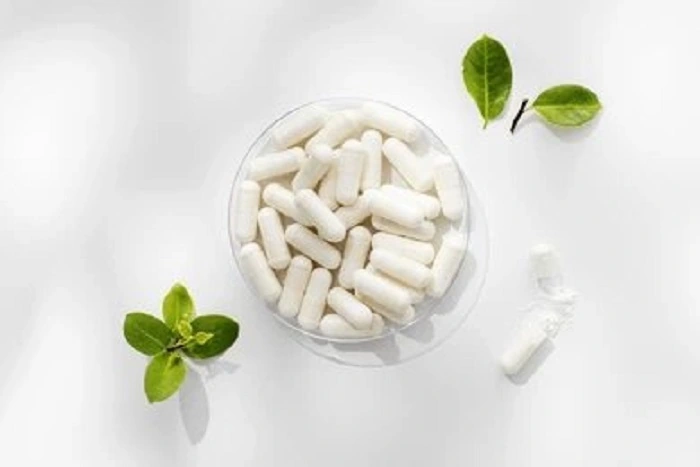
What does BHB stand for?
BHB is short for beta-hydroxybutyrate. It is one of three ketone bodies — along with acetoacetate and acetone — that your liver produces when it breaks down fat for energy. Under normal, carbohydrate-fed conditions your body runs mostly on glucose. When carbohydrates run low, whether from fasting or a ketogenic diet, the liver ramps up fat breakdown and releases ketones into the blood. BHB is the most abundant of them and the one researchers measure when they talk about “blood ketone levels.” The sequence by which the liver shifts from glucose to ketone production is set out in detail in a standard review of fuel use during starvation (Cahill, “Fuel metabolism in starvation,” Annual Review of Nutrition, 2006).
What makes BHB interesting is that it is not a waste product but a genuine fuel: the brain, heart and muscles can all burn it. The brain leans on it during long carbohydrate restriction, because fat itself cannot cross into the brain efficiently. In short, ketones keep the lights on when sugar runs low. The measurement behind that is old and well replicated: brain fuel sampling during prolonged fasting showed ketone bodies supplying a large share of the brain’s energy (Owen et al., “Brain metabolism during fasting,” Journal of Clinical Investigation, 1967).
What is ketosis, and how is it reached?
Nutritional ketosis is the state in which your body produces and burns ketones as a major fuel. It is reached by keeping carbohydrate very low — often under 50 grams a day — until glucose and stored glycogen are depleted enough for fat-burning to take over. That transition, over a few days, is the wobble nicknamed the “keto flu.”
It is worth being precise, because marketing blurs this line: a diet produces ketosis; a supplement does not. Exogenous ketones raise blood BHB for a few hours, but that is not the fat-adapted state you reach by restricting carbohydrates. The distinction matters for honest expectations.
Endogenous vs exogenous ketones
Endogenous means “made inside”; exogenous means “from outside.” Endogenous ketones are the BHB your own liver makes. Exogenous ketones are BHB you consume — most often as ketone salts, where BHB is bound to a mineral for stability and a gentler stomach. Metatrim BHB uses three: magnesium, calcium and sodium BHB. The difference between the two sources is the subject of our explainer on exogenous versus endogenous ketones.
Ketone esters go higher and faster but are expensive and famously unpleasant, so they stay mostly in research and sport. For everyday keto support, mineral-bound salts in capsule form are the practical choice. For the chemistry of the bond itself, see our guide to ketone salts and mineral-bound BHB.
See how Metatrim BHB fits your keto routine →
How do exogenous ketones work in the body?
When you swallow a BHB salt, it splits into BHB and its mineral partner. The BHB is absorbed into the blood, where tissues that can use ketones take it up and burn it — a temporary, few-hour rise in blood BHB in which extra fuel is available.
People use that window in the early days of keto, around exercise, or to support energy on a low-carb day. The table below compares the common forms of exogenous ketones.
| Form | What it is | Everyday notes |
|---|---|---|
| Ketone salts (BHB) | BHB bound to magnesium, calcium or sodium | Most common; capsules or powder; doubles as electrolytes; the form in Metatrim BHB. |
| Ketone esters | BHB bound to an alcohol backbone | Highest, fastest blood ketones; strong taste; expensive; mostly research and sport. |
| MCT oil | Medium-chain fats the liver converts to ketones | Not a ketone itself; a fat that gently nudges ketone production; can loosen digestion. |
| Endogenous (diet/fasting) | Ketones your own liver makes | The real fat-adapted state; produced by restricting carbohydrates, not by a pill. |
Why is BHB paired with minerals?
This part often gets overlooked. Binding BHB to magnesium, calcium and sodium is not just chemistry — those three minerals are electrolytes, exactly the ones a low-carb diet flushes out. When you cut carbohydrates, insulin falls and the kidneys shed more sodium and water, with magnesium often dipping too — a major cause of the early-keto headache, fatigue and cramps.
So a BHB salt does double duty — ketone fuel plus the electrolytes you are losing. For more on that side, see our guide to keto electrolytes.
| BHB salt | Mineral partner | Everyday role of the mineral |
|---|---|---|
| Magnesium BHB | Magnesium | Supports normal energy-yielding metabolism and muscle function; commonly low on low-carb diets. |
| Calcium BHB | Calcium | The most abundant mineral in the body; involved in normal muscle function and energy metabolism. |
| Sodium BHB | Sodium | The electrolyte lost most quickly when carbs drop; central to easing the early keto transition. |
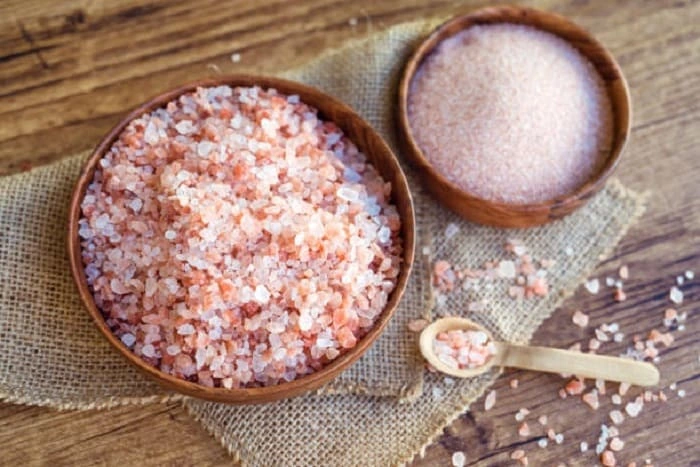
What to look for on a BHB label
1. Which mineral salts are listed
A quality product names its BHB salts. Magnesium, calcium and sodium BHB are the three most established; seeing all three, as on the Metatrim BHB panel, means a spread of electrolytes rather than one.
2. The serving size and blend amount
Check how many capsules make a serving and the total blend per serving. Metatrim BHB provides an 800 mg proprietary BHB blend in a 2-capsule serving, 30 servings per bottle. Compare like with like across labels.
3. A short “other ingredients” line
The fewer fillers, the better. Metatrim BHB’s only other ingredients are the gelatin capsule and a little rice flour.
Make it a daily habit
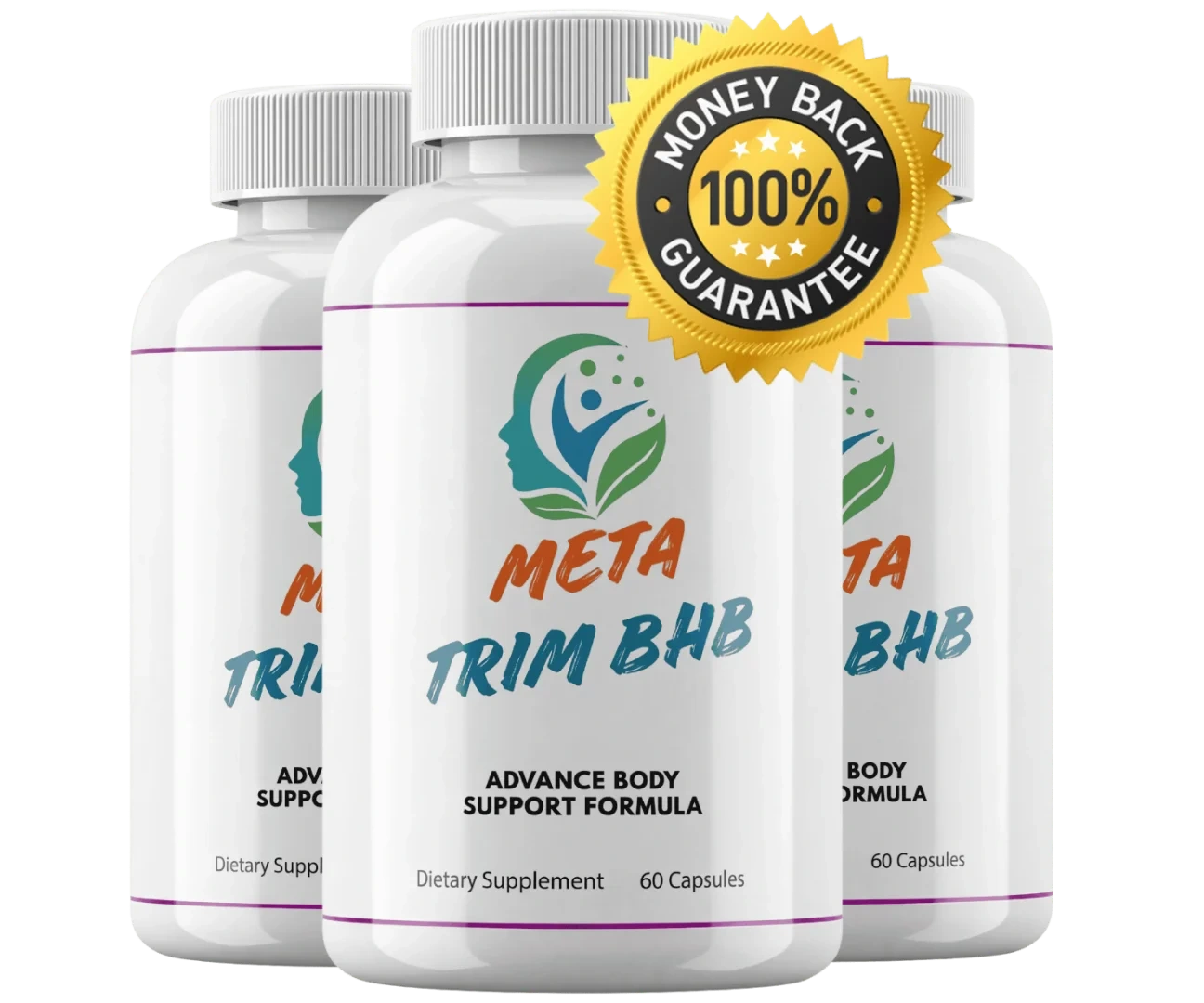
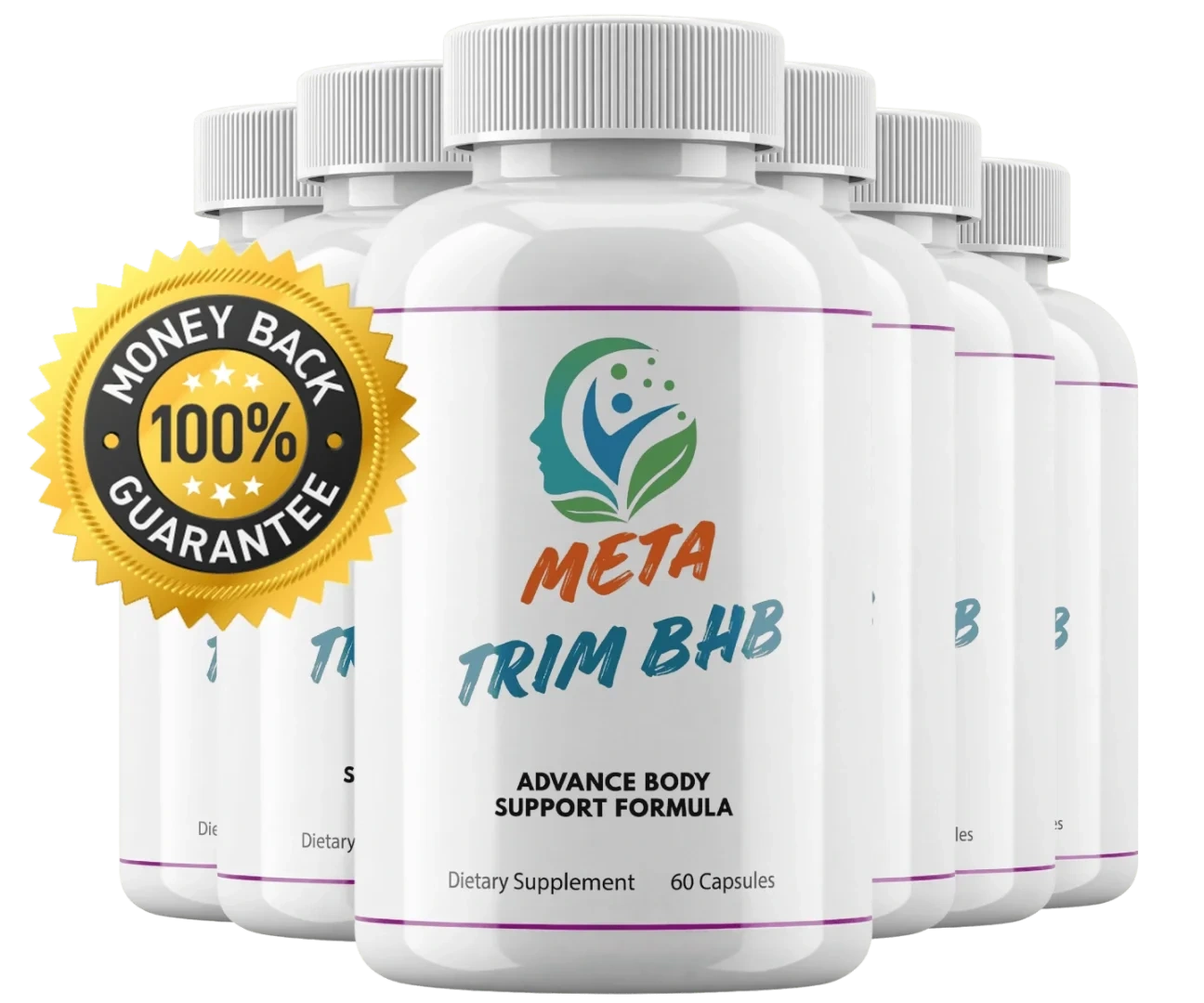
Metatrim BHB is a two-capsule daily dose of BHB ketones and electrolyte minerals. The six-bottle bundle is the best value at $49 per bottle, with free U.S. shipping and a 60-day guarantee.
Order Metatrim BHB — from $49/bottleSensible expectations
Exogenous BHB is a support, not a shortcut — it will not out-run a sugary diet or melt fat on its own. What it can reasonably do is supply ketone fuel and electrolytes to complement a genuine low-carb effort, especially early on. New to the diet? Start with our keto diet for beginners guide, then see what is in Metatrim BHB.
Frequently asked questions
What does BHB stand for?
BHB stands for beta-hydroxybutyrate, one of three ketone bodies your liver makes from fat when carbohydrates are scarce. It is a clean fuel your brain, heart and muscles can burn, and the ketone measured in blood ketone tests. In humans, a measured dose of exogenous ketones lifts blood beta-hydroxybutyrate for a matter of hours before the body clears it again (Stubbs et al., “On the Metabolism of Exogenous Ketones in Humans,” Frontiers in Physiology, 2017).
Are exogenous ketones the same as being in ketosis?
No. Exogenous ketones raise your blood BHB for a few hours, but true nutritional ketosis is the fat-adapted state your body reaches by restricting carbohydrates. A supplement supports the diet; it does not replace it.
Why is BHB bound to minerals like magnesium and sodium?
Binding BHB to magnesium, calcium or sodium makes it stable and gentler on the stomach, and those minerals are electrolytes low-carb dieters commonly lose. So a BHB salt supplies ketone fuel and electrolytes at once.
How much BHB is in Metatrim BHB?
Metatrim BHB provides an 800 mg proprietary blend of magnesium, calcium and sodium beta-hydroxybutyrate in each 2-capsule serving, with 30 servings per bottle.
When should I take exogenous ketones?
Most people take BHB capsules once or twice a day with water. Common times are the morning to support the early-keto transition or around exercise. Follow the label and do not exceed the recommended dose.
Can BHB replace a keto diet?
No, and any product that claims so should be treated with caution. Exogenous BHB is a complement to a genuine low-carb diet, most useful in the early weeks while your own ketone production catches up.
Try Metatrim BHB risk-free for 60 days →
Metatrim BHB is a dietary supplement, not a treatment for any medical condition. These statements have not been evaluated by the Food and Drug Administration. This product is not intended to diagnose, treat, cure or prevent any disease. Always consult a qualified healthcare professional about your individual needs.
References & further reading
- Examine.com. Ketone Bodies — evidence-based summary. examine.com/supplements/ketone-bodies
- National Institutes of Health, Office of Dietary Supplements. Magnesium — Fact Sheet for Health Professionals. ods.od.nih.gov/factsheets/Magnesium-HealthProfessional
- National Institutes of Health, Office of Dietary Supplements. Calcium — Fact Sheet for Health Professionals. ods.od.nih.gov/factsheets/Calcium-HealthProfessional
- Stubbs BJ, Cox PJ, Evans RD, et al. On the Metabolism of Exogenous Ketones in Humans. Frontiers in Physiology, 2017 (PMID 29163194)
- National Center for Complementary and Integrative Health (NCCIH). Diet and Nutrition. nccih.nih.gov/health/diet-and-nutrition
These references describe the ingredients and ketogenic nutrition in general terms and do not constitute evidence that any product treats, cures or prevents any condition.
Keep reading: the keto diet for beginners · keto electrolytes explained · back to the Metatrim BHB blog · homepage.