The Keto Diet for Beginners: A Practical Metatrim BHB Starter Guide

Updated September 2026 · reviewed by the Metatrim BHB Research Team. We are an independent information resource, not a medical provider, and this article is educational rather than medical advice.
The ketogenic diet keeps carbohydrates very low and fat high so your body burns fat and ketones for fuel. This Metatrim BHB beginner’s guide covers what to eat, the 70/25/5 macro ratio, a sample day, how to reach ketosis, and how exogenous BHB supports the transition.
The fastest route to understanding, in one place.
- What keto is
- The ketogenic diet is a very-low-carbohydrate, high-fat way of eating that shifts your body from burning sugar to burning fat and ketones for fuel.
- The macro ratio
- A classic keto split is roughly 70% of calories from fat, 25% from protein and 5% from carbohydrate - often under 50 g of carbs a day.
- What to eat
- Meat, fish, eggs, above-ground vegetables, nuts, seeds, olive oil, avocado and full-fat dairy; avoid sugar, grains, most fruit and starchy foods.
- Reaching ketosis
- Most people enter ketosis within two to four days of consistent low-carb eating; energy and appetite often steady over the following weeks.
- Where BHB fits
- Exogenous BHB and electrolytes can support the early transition, but the diet itself is what produces ketosis.
The ketogenic diet has been around for a century, but it has never been more popular. If you are thinking of trying it, this beginner’s guide covers the essentials without the jargon: what to eat, the macros that matter, a sample day, how to reach ketosis and how a supplement like Metatrim BHB can support the transition.
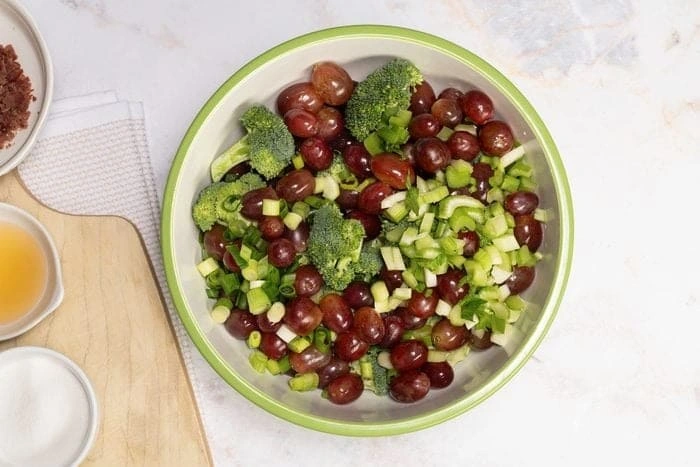
What is the ketogenic diet?
The ketogenic diet is a way of eating that keeps carbohydrates very low and fat high, with moderate protein. By starving the body of its usual sugar fuel, it pushes the liver to make ketones from fat — the state called nutritional ketosis. Instead of riding the spikes and crashes of a high-carb day, many people on keto describe steadier energy and fewer cravings once they adapt. The sequence by which the liver shifts from glucose to ketone production is set out in detail in a standard review of fuel use during starvation (Cahill, “Fuel metabolism in starvation,” Annual Review of Nutrition, 2006).
It is not the same as simply “eating low-carb” or “high-protein.” The defining feature is the fat-for-fuel switch, and that only happens when carbohydrates stay genuinely low. That is why the macro ratio is the first thing to understand. Pooling randomised trials that ran a year or longer, very-low-carbohydrate ketogenic diets produced modestly greater weight loss than low-fat diets (Bueno et al., “Very-low-carbohydrate ketogenic diet v. low-fat diet for long-term weight loss,” British Journal of Nutrition, 2013).
The keto macro ratio: 70 / 25 / 5
Macros — short for macronutrients — are fat, protein and carbohydrate. A classic ketogenic split, and the one Metatrim BHB’s own label suggests for best results, is roughly 70% of calories from fat, 25% from protein and 5% from carbohydrate. In practice most beginners aim for under 50 grams of total carbohydrate a day, and some go lower. The arithmetic behind that is set out in our guide to how weight loss works on a keto diet.
| Macronutrient | Share of calories | Role on keto |
|---|---|---|
| Fat | ~70% | Your primary fuel; the source of the ketones your body burns. |
| Protein | ~25% | Preserves muscle and keeps you full; kept moderate, not maximal. |
| Carbohydrate | ~5% | Kept very low so glycogen stays depleted and ketosis can hold. |
You do not have to weigh every gram forever, but tracking for the first couple of weeks teaches you where hidden carbohydrates live — sauces, “healthy” snacks, and starchy vegetables are common surprises. We rank what actually speeds it up in our guide to how to get into ketosis faster.
What can you eat on keto?
Foods to enjoy
- Proteins: beef, poultry, pork, eggs, and fatty fish such as salmon.
- Healthy fats: olive oil, avocado and avocado oil, butter, coconut oil.
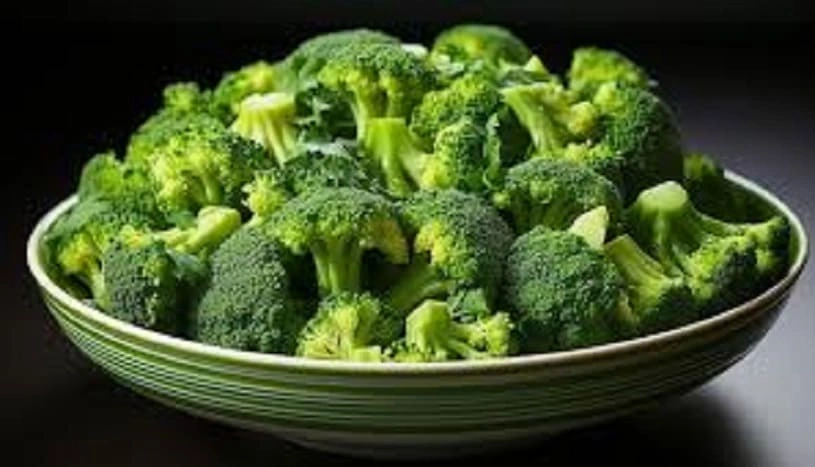
- Low-carb vegetables: leafy greens, broccoli, cauliflower, courgette, peppers.
- Nuts & seeds: almonds, walnuts, chia, flax, pumpkin seeds.
- Full-fat dairy: cheese, Greek yoghurt and cream in moderation.
Foods to avoid
- Sugar: soft drinks, sweets, desserts, most packaged snacks.
- Grains & starches: bread, pasta, rice, cereal, potatoes.
- Most fruit: apart from small portions of berries.
- Legumes: beans and lentils are nutritious but too starchy for strict keto.
See how Metatrim BHB fits your keto routine →
A sample keto day
Seeing a full day laid out makes the ratio less abstract. This is one simple template — adjust portions to your own calorie needs.
| Meal | Example | Why it works |
|---|---|---|
| Breakfast | Eggs scrambled in butter with spinach and avocado | Fat-forward, high satiety, almost no carbs. |
| Lunch | Large salad with olive oil, grilled chicken and cheese | Protein plus fat; leafy greens for fibre. |
| Dinner | Salmon with roasted broccoli in olive oil | Omega-3 fats and a low-carb vegetable. |
| Snack | A small handful of almonds or olives | Portable fat and fibre without a carb spike. |
How do you know you are in ketosis?
Most people enter ketosis within two to four days of consistent low-carb eating, though it varies with activity and metabolism. Early signs include reduced appetite and a distinctive change in breath. If you want to confirm it, inexpensive urine strips give a rough read, while a blood ketone meter is the most accurate. You do not need to test — consistency with the diet is what matters — but many beginners find it motivating.
The “keto flu” and how to soften it
In the first week, some people feel tired, headachy or irritable. This so-called keto flu is largely about electrolytes and dehydration, not the fat-burning itself. As insulin falls, your body sheds sodium and water, taking magnesium and potassium with them. Drinking enough water, salting your food, eating magnesium-rich foods, and replacing electrolytes usually turns it around quickly. Our keto electrolytes guide goes deeper. A survey of dieters’ own reports found that “keto flu” symptoms cluster in the first week or so and then fade (Bostock et al., “Consumer Reports of ‘Keto Flu’ Associated With the Ketogenic Diet,” Frontiers in Nutrition, 2020).
This is also where exogenous BHB earns its place. In the early days, before your own ketone production ramps up, a BHB salt supplies both ketone fuel and the electrolyte minerals you are losing — which is exactly how Metatrim BHB is formulated.
Make it a daily habit
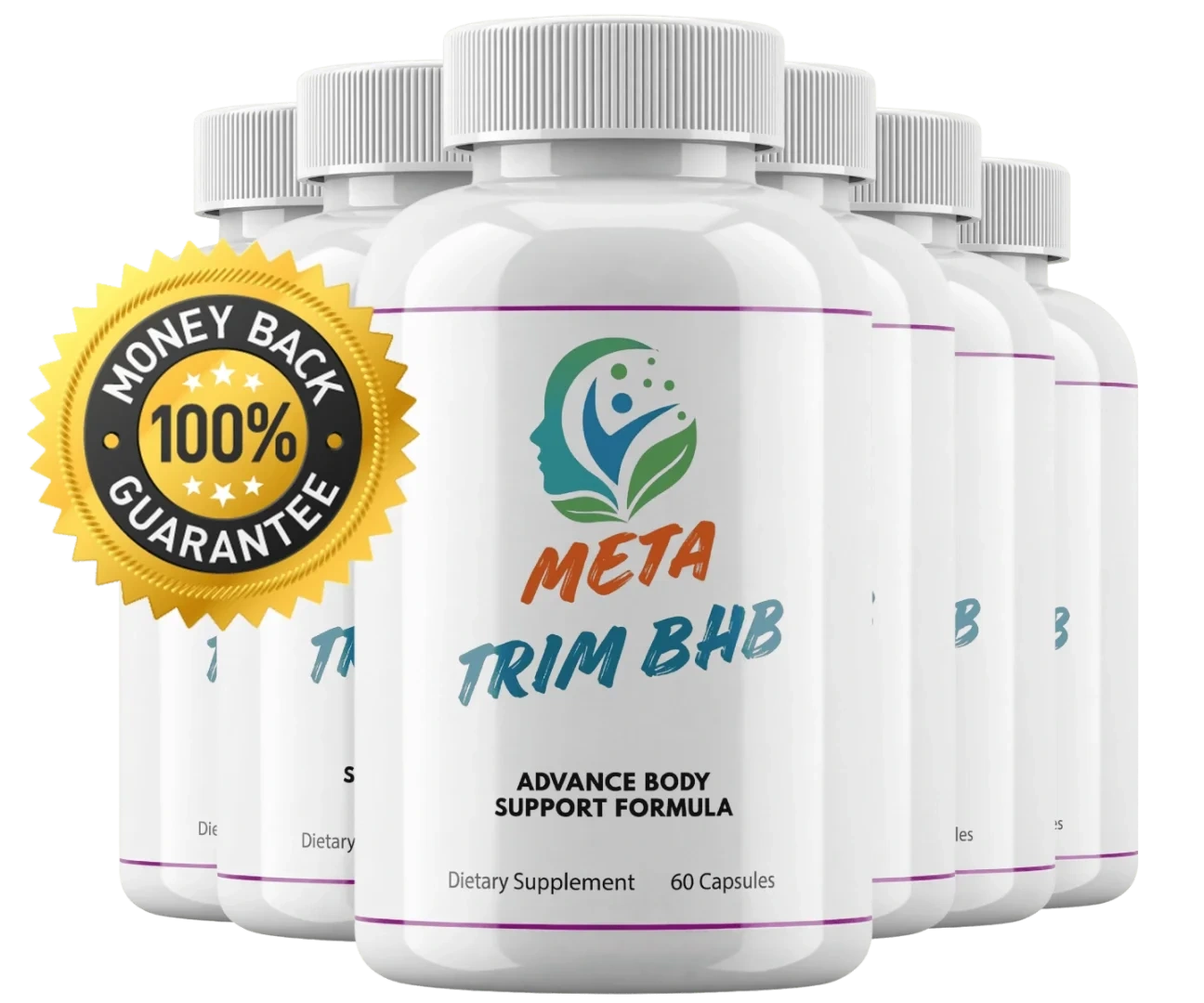
Metatrim BHB is a two-capsule daily dose of BHB ketones and electrolyte minerals. The six-bottle bundle is the best value at $49 per bottle, with free U.S. shipping and a 60-day guarantee.
Order Metatrim BHB — from $49/bottle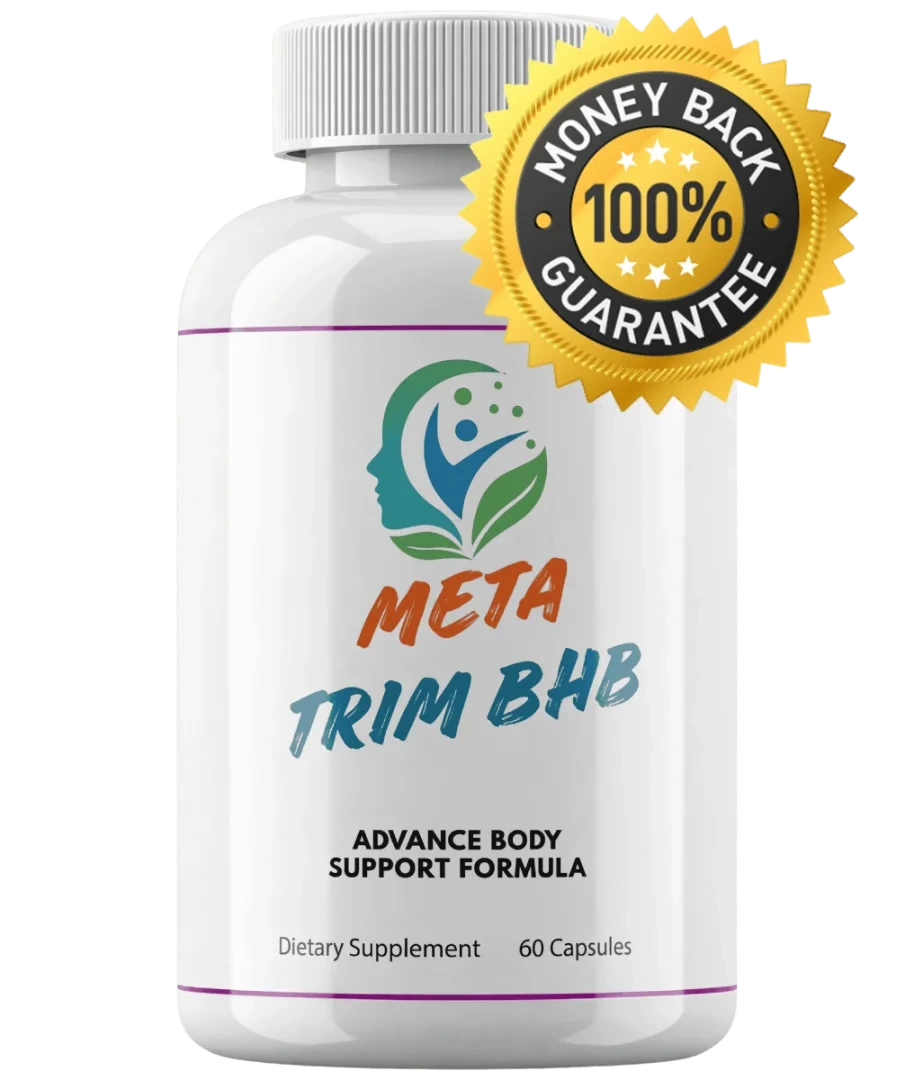
A simple first-week plan
- Clear the pantry of obvious sugar and starch so temptation is out of reach.
- Plan three keto meals a day around protein, fat and low-carb vegetables.
- Hydrate and salt your food deliberately to stay ahead of the keto flu.
- Take Metatrim BHB daily — two capsules with water — for ketone and electrolyte support.
- Keep it simple and repeat meals; variety can come once the routine sticks.
Ready to understand the fuel itself? Read what BHB is and how exogenous ketones work, or see the full Metatrim BHB ingredients.
Frequently asked questions
What can I eat on a keto diet?
Focus on protein such as meat, fish and eggs; healthy fats like olive oil and avocado; low-carb vegetables such as leafy greens and broccoli; plus nuts, seeds and full-fat dairy. Avoid sugar, grains, most fruit and starchy foods.
What is the keto macro ratio?
A classic ketogenic split is roughly 70% of calories from fat, 25% from protein and 5% from carbohydrate, with most beginners keeping total carbs under about 50 grams a day.
How long does it take to get into ketosis?
Most people enter ketosis within two to four days of consistent very-low-carb eating, though it varies with activity and metabolism. Energy and appetite often steady over the following weeks.
What is the keto flu and how do I avoid it?
The keto flu is early-week tiredness, headache or irritability caused mainly by losing electrolytes and water, not by fat-burning. Hydrating, salting food, eating magnesium-rich foods and replacing electrolytes usually resolves it quickly.
Do I need supplements on keto?
You do not strictly need them, but electrolytes are the most useful support in the early weeks. Exogenous BHB salts like Metatrim BHB supply ketone fuel and the minerals magnesium, calcium and sodium in one daily step.
Is keto safe for everyone?
Keto suits many healthy adults, but it is not for everyone. If you are pregnant or nursing, under 18, take medication or have a medical condition, speak with your doctor before starting.
Try Metatrim BHB risk-free for 60 days →
Metatrim BHB is a dietary supplement, not a treatment for any medical condition. These statements have not been evaluated by the Food and Drug Administration. This product is not intended to diagnose, treat, cure or prevent any disease. Always consult a qualified healthcare professional about your individual needs.
References & further reading
- Examine.com. Ketone Bodies — evidence-based summary. examine.com/supplements/ketone-bodies
- National Center for Complementary and Integrative Health (NCCIH). Diet and Nutrition. nccih.nih.gov/health/diet-and-nutrition
- National Institutes of Health, Office of Dietary Supplements. Magnesium — Fact Sheet for Health Professionals. ods.od.nih.gov/factsheets/Magnesium-HealthProfessional
- Bueno NB, de Melo IS, de Oliveira SL, et al. Very-low-carbohydrate ketogenic diet v. low-fat diet for long-term weight loss: a meta-analysis of randomised controlled trials. British Journal of Nutrition, 2013 (PMID 23651522)
- National Institutes of Health, Office of Dietary Supplements. Calcium — Fact Sheet for Health Professionals. ods.od.nih.gov/factsheets/Calcium-HealthProfessional
These references describe the ingredients and ketogenic nutrition in general terms and do not constitute evidence that any product treats, cures or prevents any condition.
Keep reading: what BHB is and how exogenous ketones work · keto electrolytes explained · back to the Metatrim BHB blog · homepage.