How to Lose Weight on Keto With Metatrim BHB: A Realistic 2026 Framework

Updated September 2026 · reviewed by the Metatrim BHB Research Team. We are an independent information resource, not a medical provider, and this article is educational rather than medical advice.
You lose weight on keto the same way you lose it on any diet — by holding a modest calorie deficit — but keto makes that deficit easier to keep by curbing appetite and steadying energy. This Metatrim BHB framework walks through the deficit, the whole foods, and the electrolyte support that carry you through the adaptation weeks, honestly and without the hype.
How to lose weight on keto, in one honest paragraph.
- The short version
- Keep carbohydrate low (under about 50 g a day), eat enough protein and mostly whole foods, and keep a modest calorie deficit. Ketosis helps you stick to that deficit — it is not a loophole around it.
- Deficit still rules
- Fat loss requires burning more energy than you eat; keto simply makes appetite and energy easier to manage while you do.
- Expect water first
- The first week’s quick drop is mostly water as glycogen empties; steady fat loss of about 1–2 lb a week follows.
- Where support fits
- Electrolytes and exogenous BHB, as in Metatrim BHB, can ease the early keto flu so you stay consistent — they do not burn fat on their own.
Keto is one of the most searched — and most over-promised — weight-loss approaches of 2026. Below, Metatrim BHB lays out a realistic framework: what drives the fat loss, what to eat, how fast results arrive, and where exogenous ketones and electrolytes genuinely help. Pooling randomised trials that ran a year or longer, very-low-carbohydrate ketogenic diets produced modestly greater weight loss than low-fat diets (Bueno et al., “Very-low-carbohydrate ketogenic diet v. low-fat diet for long-term weight loss,” British Journal of Nutrition, 2013).
What actually makes you lose weight on keto?
You lose weight on keto because you are in a calorie deficit, not because ketones perform any special fat-melting trick. Cutting carbohydrate to under roughly 50 grams a day shifts your body toward burning fat for fuel, but the scale only moves when you take in less energy than you spend. Keto’s real advantage is that it makes that deficit easier to sustain: protein and fat are filling, blood sugar steadies, and the constant snacking urge tends to fade. The habits that move that needle are collected in our guide to boosting metabolism naturally.
That is the honest core of every low-carb success story. People often eat several hundred fewer calories a day on keto without formally tracking, simply because they are less hungry. Understand that mechanism and you can stop chasing gimmicks: focus on the deficit and on staying consistent week after week.
How does ketosis drive low carb fat loss?
Ketosis is the state in which your liver, starved of carbohydrate, converts fat into ketone bodies such as beta-hydroxybutyrate (BHB) to fuel your brain and muscles. Once glycogen stores empty over the first few days, insulin falls and your body leans harder on stored and dietary fat. This is the metabolic shift that gives keto its reputation for fat loss. In a tightly controlled metabolic-ward study, switching to an isocaloric ketogenic diet changed energy expenditure only slightly and did not accelerate body-fat loss (Hall et al., “Energy expenditure and body composition changes after an isocaloric ketogenic diet in overweight and obese men,” American Journal of Clinical Nutrition, 2016).
But ketosis is a fuel-switch, not a calorie eraser. Eat more fat than you burn and you store the surplus regardless of ketone levels. The useful takeaway: ketosis lowers hunger and steadies energy, which quietly supports the deficit — it does not override it. For more on the fuel itself, see our guide to what BHB is and how exogenous ketones work. In a controlled trial, a ketone drink that raised blood BHB also lowered circulating ghrelin and reported hunger for several hours (Stubbs et al., “A Ketone Ester Drink Lowers Human Ghrelin and Appetite,” Obesity, 2018).
What should you eat for keto weight loss?
The best keto weight-loss diet is built from whole foods: protein, non-starchy vegetables, and natural fats, with heavily processed “keto” treats kept to the edges. What you leave out matters as much as what you add.
Which foods should form the base?
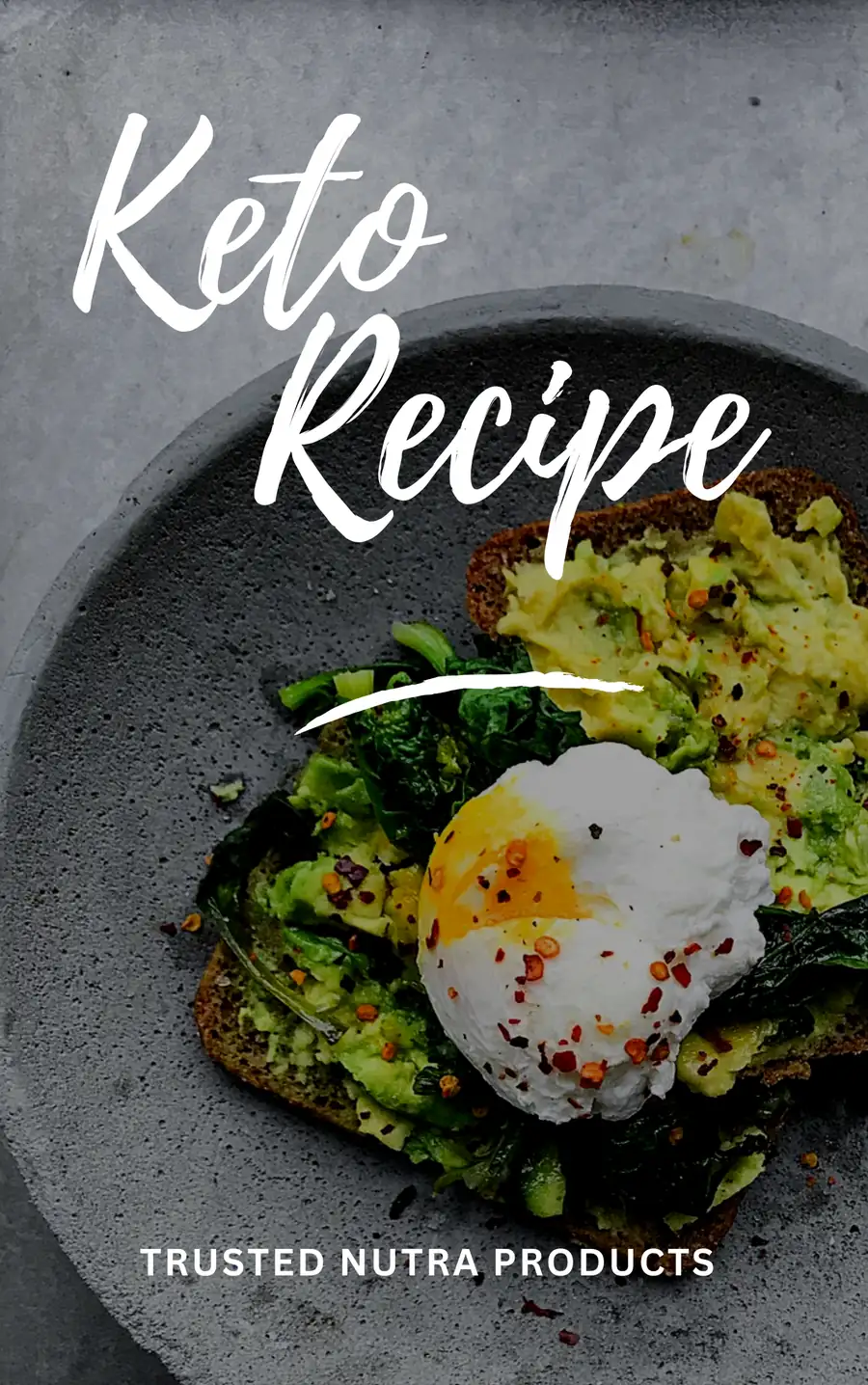
Prioritise protein first — eggs, poultry, fish, and lean meats — because protein protects muscle in a deficit and is the most filling macronutrient. Build the rest of the plate from non-starchy vegetables (leafy greens, broccoli, cauliflower, zucchini) and add natural fats like olive oil, avocado and a moderate amount of cheese for satiety.
Which foods quietly stall results?
The usual culprits are calorie-dense but easy to over-eat: nuts, cheese, nut butters, and packaged keto bars or cookies. They are technically low-carb, but a handful here and there can erase your deficit. Alcohol and “just a little” sweetener-heavy snacking add up the same way.
| Eat freely | Eat with care | Mostly avoid |
|---|---|---|
| Eggs, poultry, fish, lean meat | Cheese, nuts, nut butter | Bread, pasta, rice, potatoes |
| Leafy greens, broccoli, cauliflower | Full-fat dairy, avocado | Sugar, candy, soda, juice |
| Olive oil, olives, seeds | Berries in small portions | Packaged low-carb treats in excess |
Support the hard early weeks
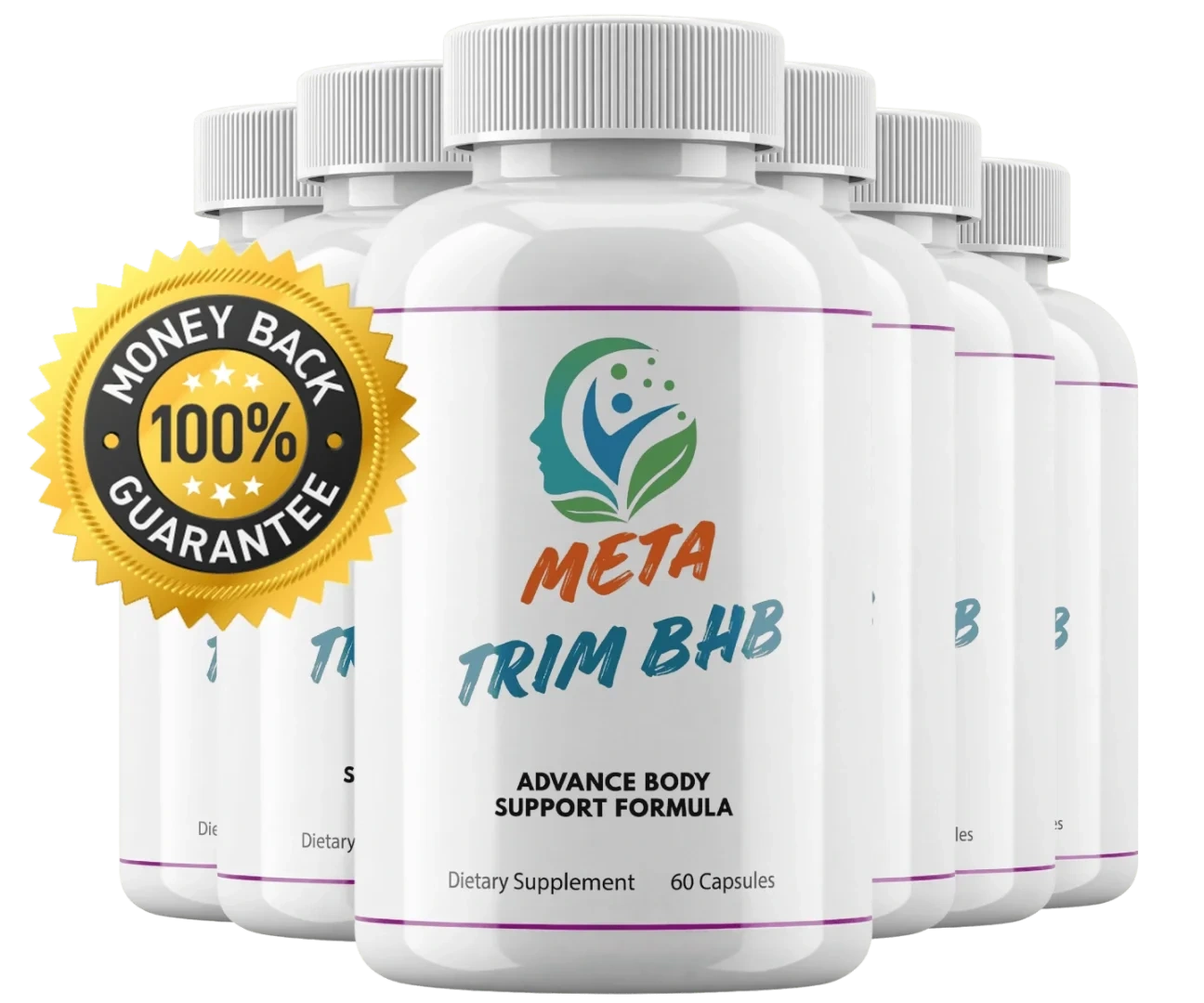
The first two weeks of keto are where most people quit — tired, headachy, low on electrolytes. Metatrim BHB pairs exogenous BHB with magnesium, calcium and sodium in a two-capsule daily dose. See the exact dose in Metatrim BHB and today’s bundle pricing.
Check today’s Metatrim BHB pricing — from $49/bottleHow fast should keto diet results come?
Realistic keto weight loss is a quick water drop in week one, then roughly one to two pounds of fat per week after that. The early plunge feels dramatic because each gram of stored glycogen holds several grams of water; as glycogen empties, the scale can fall several pounds in days. That is not fat, and it partly returns if you reload carbs.
After the water settles, sustainable fat loss is slow by design. Chasing faster numbers usually means cutting calories too hard, costing muscle and energy. The table below sets honest expectations by phase.
| Phase | Typical timeframe | What is really happening |
|---|---|---|
| Water flush | Days 1–7 | Glycogen and water drop; scale falls fast; this is not fat loss. |
| Adaptation | Weeks 1–3 | Keto flu possible; energy dips then steadies; electrolytes matter most. |
| Steady fat loss | Week 3 onward | Roughly 1–2 lb of fat per week on a modest deficit. |
| Plateaus | Intermittent | Normal; usually creeping portions or water shifts, not broken metabolism. |
Where do Metatrim BHB and electrolytes fit in?
Metatrim BHB is an exogenous BHB and electrolyte supplement whose honest job is to ease the keto transition, not to cause weight loss. When you cut carbs, insulin falls and your kidneys shed sodium and water, dragging magnesium and potassium down with them — the direct cause of the early headaches, fatigue and cramps known as the keto flu. Replacing those minerals is what keeps many people from quitting in week one.

Each two-capsule serving of Metatrim BHB supplies an 800 mg blend of magnesium, calcium and sodium beta-hydroxybutyrate — ketone fuel plus the electrolytes low-carb dieters most often lose. Treat it as a comfort and consistency aid through the adaptation weeks, on top of a real deficit, not a substitute for one. For detail, read our keto electrolytes guide.
How should you structure your first 30 days on keto?
A realistic first month on keto moves in stages: get into ketosis, survive adaptation, then settle into a steady, trackable deficit. Rushing the early phase is the most common reason people burn out before results appear.

Week 1: get in and stay hydrated
Drop carbs under 50 grams, drink plenty of water, and salt your food deliberately. This is the peak of electrolyte loss, so this is where mineral support — from food, broth or a BHB electrolyte supplement — earns its place.
Weeks 2–3: protein and routine
As energy returns, lock in a simple set of go-to meals so decisions get easier. Anchor each meal with protein, and stop guessing — if the scale has not moved by week three, log your food for a few days.
Week 4: measure, do not obsess
Track weight as a weekly trend, not a daily verdict, and watch how clothes fit. If you are consistent and still stalled, tighten portions of nuts and cheese first. New to all this? Start with our keto diet for beginners guide.
What common mistakes stall keto weight loss?
Most stalled keto diets are stalled for ordinary reasons — hidden calories and impatience — not metabolic damage. Naming the usual traps is the fastest way to get moving.
Are you eating too much fat “because keto”?
Adding butter and oil to everything can push you into a calorie surplus even in deep ketosis. Fat is fuel, not a free pass; use enough for satiety, then let your body burn its own stores.
Are you under-eating protein?
Too little protein costs muscle and leaves you hungry, which sabotages the deficit. Protein should be the non-negotiable centre of the plate at each meal.
Are you blaming the scale for water?
Daily weight swings from sodium, sleep and hormones can hide real fat loss for days. Judge progress over two to four weeks, not overnight.
See the exact dose in Metatrim BHB →
Frequently asked questions
How much weight can you realistically lose on keto?
Most people lose several pounds of water weight in the first week as glycogen empties, then settle into roughly one to two pounds of fat per week once a modest calorie deficit is in place. Slow and steady is normal and sustainable; rapid loss after week one is usually still water or muscle.
Do you have to count calories to lose weight on keto?
You do not always have to count them formally, but a calorie deficit is still what drives fat loss. Keto often lowers appetite so people eat less without tracking, yet if the scale stalls, counting for a week is the fastest way to find hidden extra calories.
Does Metatrim BHB make you lose weight on its own?
No. Metatrim BHB is an exogenous BHB and electrolyte supplement that supports energy and comfort during the keto transition; it does not burn fat by itself. Weight loss comes from the diet and a calorie deficit, with the supplement as optional support.
Why did my keto weight loss stall after a few weeks?
Common reasons are creeping portion sizes, too many nuts, cheese or keto treats, underestimated calories, and normal water fluctuations. Tighten your food logging for a week, prioritise protein and whole foods, and the trend usually resumes.
How long does it take to get into ketosis for weight loss?
Keeping carbohydrate under about 50 grams a day, most people reach nutritional ketosis within two to four days, though full fat-adaptation takes a few weeks. The early days are when the keto flu and electrolyte losses are most noticeable.
Can electrolytes help me stick to keto long enough to lose weight?
Yes, indirectly. Replacing sodium, magnesium and potassium eases the headaches, fatigue and cramps of early keto, which is when many people quit. Feeling better makes it easier to stay consistent, and consistency is what produces results.
Metatrim BHB is a dietary supplement, not a treatment for any medical condition. These statements have not been evaluated by the Food and Drug Administration. This product is not intended to diagnose, treat, cure or prevent any disease. Always consult a qualified healthcare professional about your individual needs.
References & further reading
- National Institutes of Health, Office of Dietary Supplements. Magnesium — Fact Sheet for Health Professionals. ods.od.nih.gov/factsheets/Magnesium-HealthProfessional
- Harvard T.H. Chan School of Public Health, The Nutrition Source. Diet Review: Ketogenic Diet for Weight Loss. nutritionsource.hsph.harvard.edu/healthy-weight/diet-reviews/ketogenic-diet
- Mayo Clinic. Weight loss: 6 strategies for success. mayoclinic.org/healthy-lifestyle/weight-loss
- Examine.com. Ketogenic Diet — evidence-based overview. examine.com/topics/ketogenic-diet
- National Center for Complementary and Integrative Health (NCCIH). Diet and Nutrition. nccih.nih.gov/health/diet-and-nutrition
These references describe ketogenic nutrition and the ingredients in general terms and do not constitute evidence that any product treats, cures or prevents any condition.
Keep reading: the keto diet for beginners · what BHB is and how it works · keto electrolytes explained · the Metatrim BHB review.