Exogenous vs Endogenous Ketones: What Metatrim BHB Can and Cannot Do

Updated September 2026 · reviewed by the Metatrim BHB Research Team. We are an independent information resource, not a medical provider, and this article is educational rather than medical advice.
The difference between exogenous vs endogenous ketones comes down to one thing: source. Endogenous ketones are the ketone bodies your liver makes from fat, while exogenous ketones are that same BHB taken by mouth. Metatrim BHB explains how the two interact, and what a supplement can — and cannot — do.
Exogenous vs endogenous ketones, in one place.
- Endogenous ketones
- The ketone bodies — mainly BHB — that your own liver produces from fat when carbohydrates are scarce, as on a keto diet or during fasting.
- Exogenous ketones
- The exact same BHB taken from outside the body, usually as mineral-bound ketone salts, as in a capsule you swallow with water.
- How they interact
- Both raise blood BHB. A dose of exogenous BHB briefly tops up the pool your liver was already filling, then fades within a few hours.
- The honest limit
- Exogenous ketones do not, by themselves, create nutritional ketosis or replace a low-carb diet; they complement it, especially early on.
Search “keto” and you soon meet two words that sound like opposites: endogenous and exogenous. They are not rival products — they answer a single question: where did this ketone come from? This guide from Metatrim BHB clears up the exogenous ketones difference and sets honest expectations for what a BHB supplement adds. In humans, a measured dose of exogenous ketones lifts blood beta-hydroxybutyrate for a matter of hours before the body clears it again (Stubbs et al., “On the Metabolism of Exogenous Ketones in Humans,” Frontiers in Physiology, 2017).
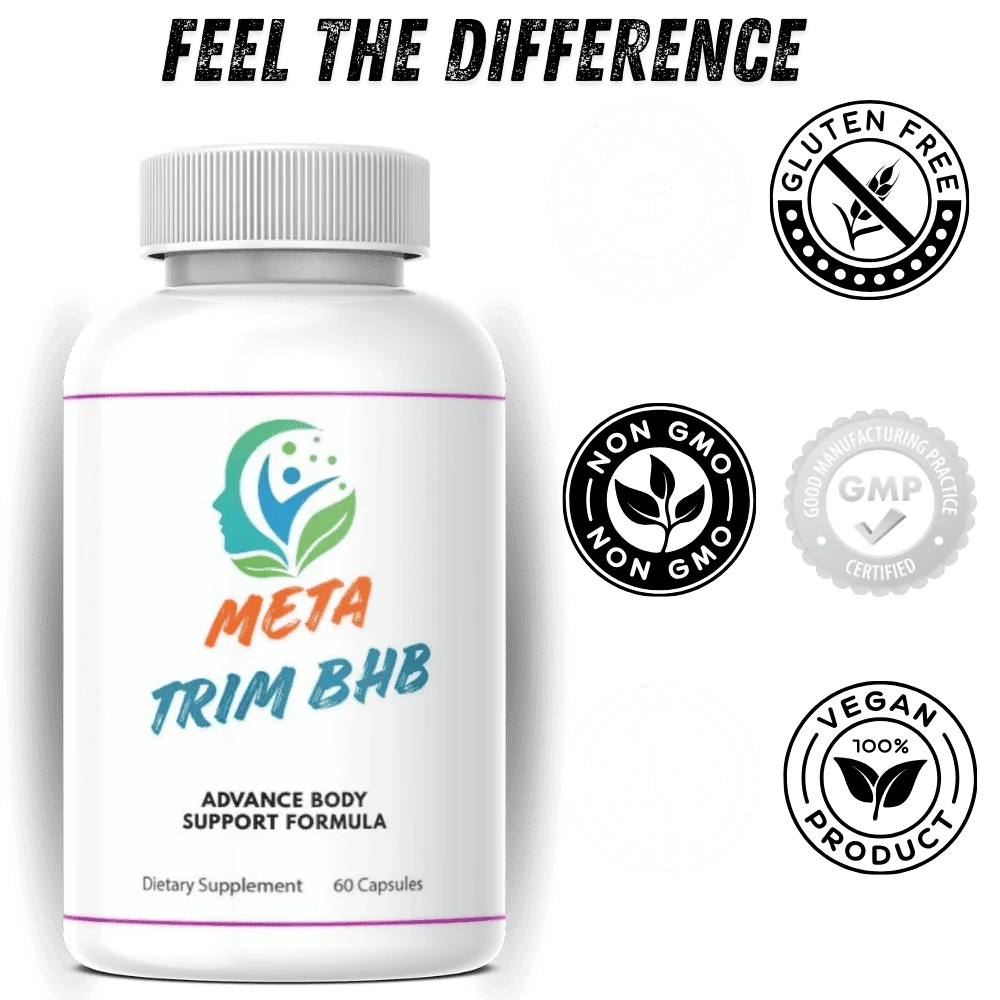
What is the difference between exogenous and endogenous ketones?
Endogenous ketones are the ketone bodies your liver manufactures from fat, whereas exogenous ketones are the identical fuel supplied from outside the body. The root words tell the whole story: endo- means “within” and exo- means “outside.” When people ask about exogenous vs endogenous ketones, they are really asking about origin, not chemistry — because the beta-hydroxybutyrate (BHB) molecule is the same either way. The sequence by which the liver shifts from glucose to ketone production is set out in detail in a standard review of fuel use during starvation (Cahill, “Fuel metabolism in starvation,” Annual Review of Nutrition, 2006).
Your body cannot tell a “home-made” BHB molecule from a swallowed one once it reaches the blood. What differs is context: endogenous BHB rises gradually as part of a shift toward burning fat; exogenous BHB arrives all at once as a dose and clears within a few hours. That distinction is the key to using a product like Metatrim BHB sensibly.
What are endogenous ketones, and how does your liver make them?
Endogenous ketones are the beta-hydroxybutyrate, acetoacetate and acetone your liver produces when it breaks fat down for fuel. Under a normal carbohydrate-fed diet, your body runs mostly on glucose. When carbohydrate is scarce — through fasting or a ketogenic diet — insulin falls, stored glycogen empties, and the liver ramps up fat oxidation, releasing ketone bodies into the bloodstream for the brain, heart and muscles to burn. The measurement behind that is old and well replicated: brain fuel sampling during prolonged fasting showed ketone bodies supplying a large share of the brain’s energy (Owen et al., “Brain metabolism during fasting,” Journal of Clinical Investigation, 1967).
This is the real nutritional ketosis that keto dieters chase. It is a fat-adapted state, and it takes days of consistent carbohydrate restriction to reach. The wobble many feel during that transition — the headaches, fatigue and cramps nicknamed the “keto flu” — is partly your metabolism switching fuels and partly the loss of electrolytes as insulin drops. If the state itself needs defining first, read our explainer on what ketosis actually is.
Why endogenous ketones are the foundation
Only your own production reflects genuine fat-adaptation, and no pill can shortcut the metabolic rewiring that lets your body reach for fat first. That is why every honest keto plan starts with the diet. If you are just starting, our keto diet for beginners guide walks through the carbohydrate targets that get you there.
What are exogenous ketones, and how do they differ?
Exogenous ketones are ready-made BHB taken from outside the body, most commonly in the form of ketone salts — BHB bound to a mineral such as magnesium, calcium or sodium for stability and a gentler stomach. Metatrim BHB uses all three of those salts. When you swallow a BHB salt, it splits into BHB and its mineral partner; the BHB is absorbed into the blood, where tissues that can use ketones take it up and burn it.
The exogenous ketones difference from endogenous ones is timing and cause. A dose does not require you to be low on carbohydrate; it raises blood BHB for a few hours regardless of what your liver is doing — convenient in the early days of keto or around exercise, but a temporary top-up rather than a state. Ketone esters push ketones higher and faster than salts, but they are costly and famously unpleasant, so mineral-bound salts remain the everyday choice.

| Endogenous ketones | Exogenous ketones | |
|---|---|---|
| Source | Made by your own liver from fat | Taken by mouth, usually as BHB salts |
| Trigger | Low carbohydrate / fasting | A dose, regardless of diet |
| Timeframe | Builds over days; a sustained state | Rises fast, fades in a few hours |
| Reflects fat-adaptation? | Yes — the real nutritional ketosis | No — a temporary top-up of fuel |
| Extras | None beyond the ketones | Electrolyte minerals bound to the BHB |
How do exogenous and endogenous ketones interact?
Exogenous and endogenous ketones share the same bloodstream, so a dose of exogenous BHB simply adds to the ketone pool your liver was already filling. There is one nuance worth knowing: when blood BHB rises after a dose, your body senses the higher level and may briefly dial back its own production — a normal feedback loop, not a defect. As the exogenous BHB is used up over the next few hours, endogenous production resumes.
So exogenous ketones do not permanently switch off your own ketosis; the effect is short-lived and self-correcting. It also means stacking a supplement on top of already-deep ketosis adds less than people expect — the greatest practical use is early on, before your own production has caught up. The table below lines up when each source matters most.
| Scenario | Where the ketones come from | What that means in practice |
|---|---|---|
| Week one of keto | Little endogenous yet; exogenous can top up | The window where an exogenous dose is most noticeable. |
| Fat-adapted, weeks in | Strong endogenous production | A supplement adds less; the diet is doing the work. |
| Around exercise | Endogenous plus an optional exogenous dose | Some use a dose for convenient fuel before activity. |
| A higher-carb day | Endogenous suppressed by carbohydrate | Exogenous BHB raises blood ketones but does not restore ketosis. |
See the exact dose in Metatrim BHB →
What can Metatrim BHB actually do — and what can't it?
Metatrim BHB is a source of exogenous ketones and electrolyte minerals, so what it can honestly do is raise blood BHB for a few hours and supply magnesium, calcium and sodium that low-carb diets commonly deplete. Each 2-capsule serving delivers an 800 mg blend of magnesium, calcium and sodium beta-hydroxybutyrate, with 30 servings per bottle. Those minerals do double duty: they stabilise the BHB and replace the electrolytes lost when insulin falls.
What it cannot do matters more. A supplement does not, by itself, create nutritional ketosis, and it will not out-run a high-sugar diet or melt fat on its own. Any product claiming to put you “into ketosis” from a pill alone is overselling. Metatrim BHB is a complement to a genuine low-carb effort — most useful in the early weeks while your endogenous production catches up. For the full ingredient breakdown, see the Metatrim BHB review, and for the electrolyte side, our keto electrolytes guide.
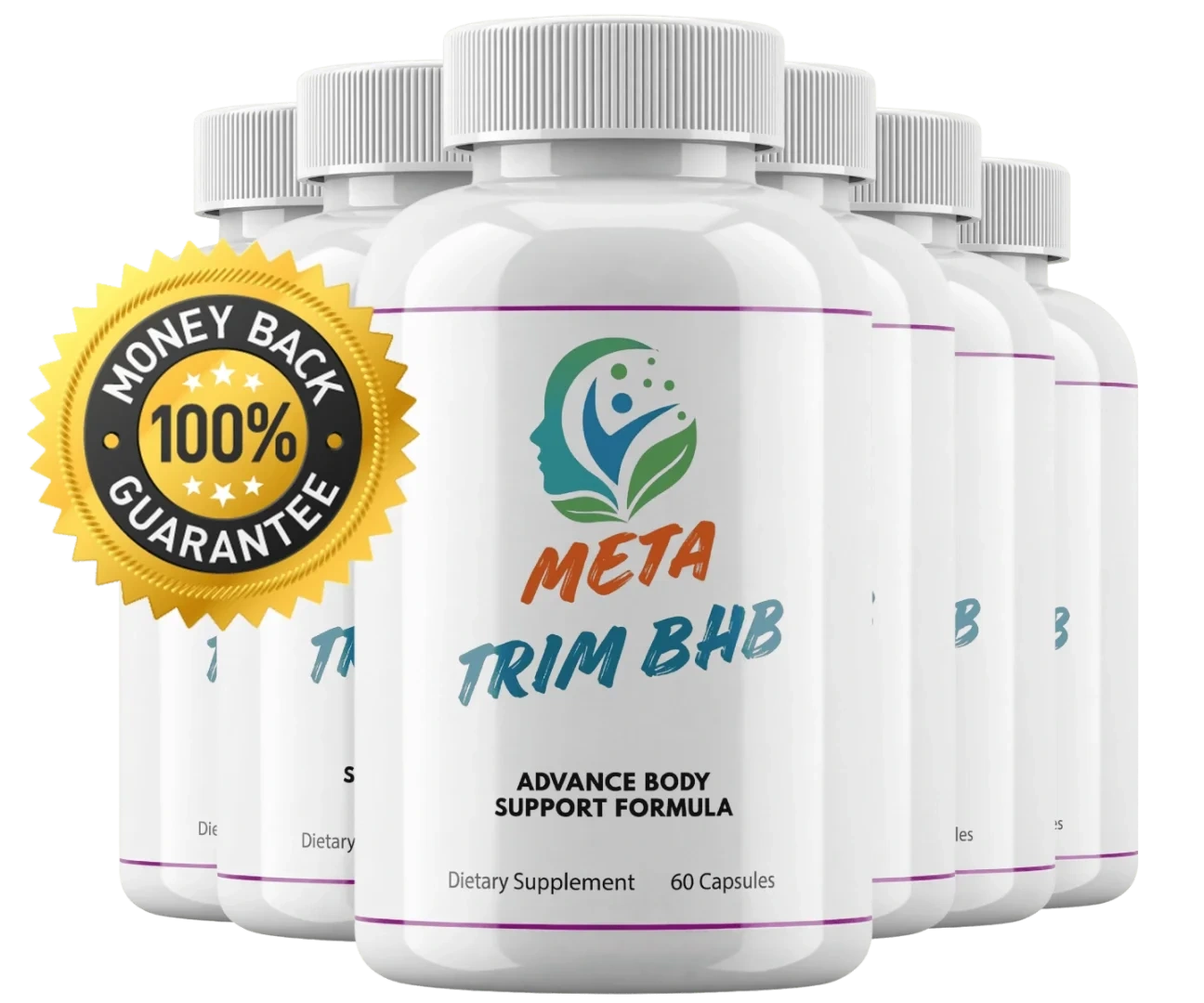
Fuel and electrolytes in one daily dose
Metatrim BHB is a two-capsule daily dose of exogenous BHB ketones plus electrolyte minerals. The six-bottle bundle is the best value at $49 per bottle, with free U.S. shipping and a 60-day guarantee.
Order Metatrim BHB — from $49/bottleHow should you use exogenous ketones sensibly?
Sensible use of exogenous ketones means treating them as support around a real diet, not a substitute for it. Because a dose lasts only a few hours, timing and honest expectations matter more than chasing the highest number on a meter.
How much and when?
Most BHB capsule products supply a few hundred milligrams to a couple of grams per serving, taken once or twice daily with water. Metatrim BHB is a 2-capsule serving of its 800 mg blend. Common timing is the morning to support the early-keto transition, or before exercise for convenient fuel. Follow the label and do not exceed the recommended dose.
Who might find them useful?
Newcomers riding out the first-week transition, people returning to keto after a carb-heavy stretch, and those wanting electrolytes bundled with their ketones get the most from exogenous BHB. If you are already deep in fat-adaptation, your own endogenous ketones are doing most of the work.
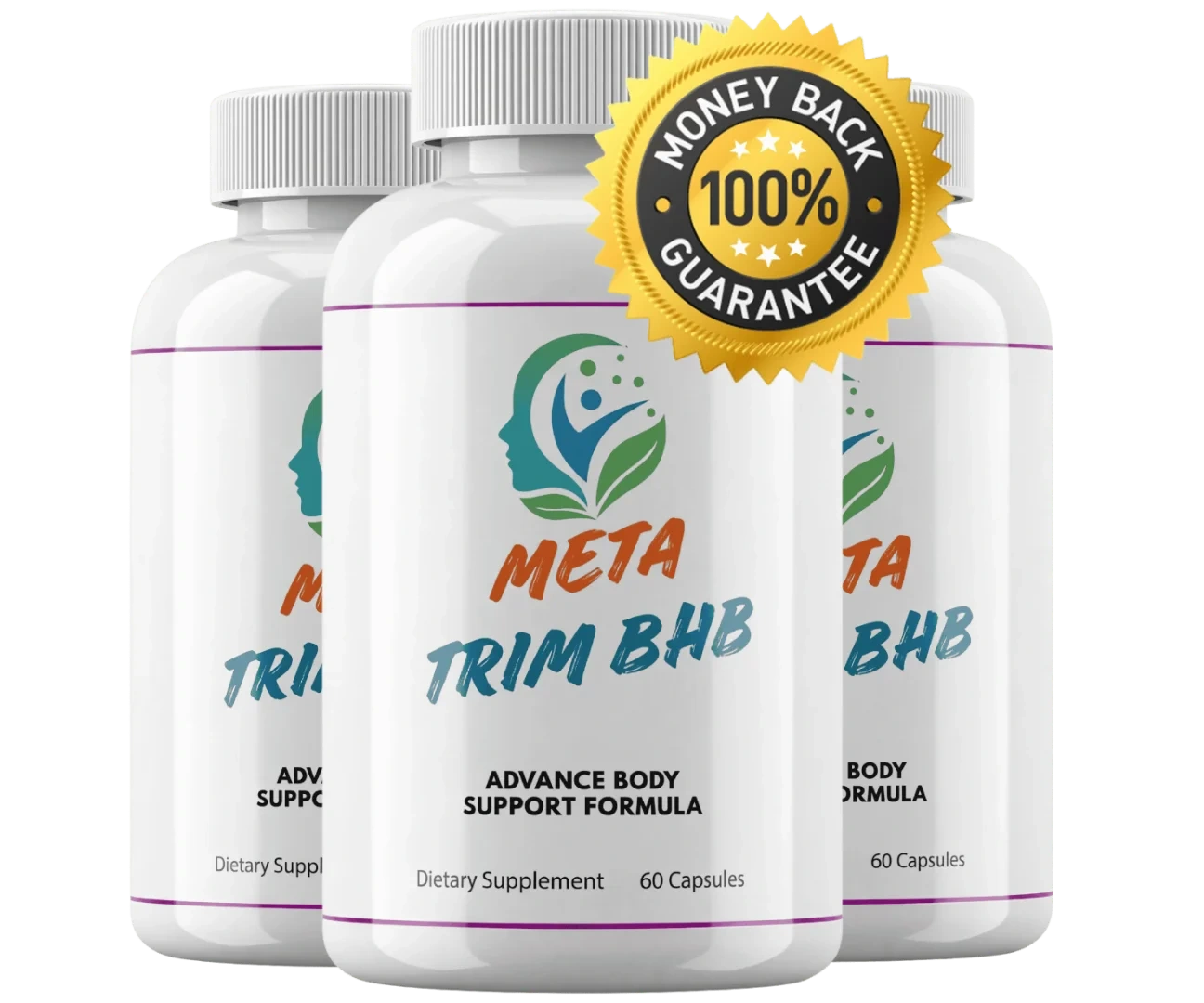
The bottom line on exogenous vs endogenous ketones
Exogenous and endogenous ketones are the same fuel from two sources — partners, not competitors. Your diet builds the endogenous foundation; a supplement like Metatrim BHB can top up that fuel and replace lost electrolytes, most usefully in the early weeks. New to all this? Start with the keto beginner guide, then read what BHB is and how exogenous ketones work.
Frequently asked questions
What is the difference between exogenous and endogenous ketones?
Endogenous ketones are the ketone bodies your own liver makes from fat when carbohydrates are scarce. Exogenous ketones are the same fuel taken by mouth, usually as BHB salts. Both raise blood BHB, but only the diet produces the fat-adapted state called nutritional ketosis.
Are exogenous ketones and endogenous ketones the same molecule?
The BHB itself is chemically the same whether your liver makes it or you swallow it. The difference is the source and the context: endogenous BHB rises as part of fat-adaptation, while exogenous BHB is a temporary top-up that lasts a few hours.
Do exogenous ketones stop my body making its own?
A dose of exogenous BHB briefly raises blood ketones, which can slightly lower how much your liver makes in that same window. This effect is short-lived and your own production resumes as the exogenous BHB is used up; it does not permanently switch off endogenous ketosis.
Will Metatrim BHB put me into ketosis?
No. Metatrim BHB supplies exogenous BHB and electrolyte minerals, which raise blood BHB for a few hours, but it does not by itself create the carbohydrate-restricted, fat-adapted state of nutritional ketosis. That comes from the diet; the supplement complements it.
Which is better, exogenous or endogenous ketones?
They are not competitors. Endogenous ketones from a genuine low-carb diet are the foundation and the real fat-adapted state. Exogenous ketones are a convenience that can supply fuel and electrolytes in the early weeks or around exercise while your own production catches up.
How much BHB does Metatrim BHB provide?
Metatrim BHB provides an 800 mg proprietary blend of magnesium, calcium and sodium beta-hydroxybutyrate in each 2-capsule serving, with 30 servings per bottle.
Check today's Metatrim BHB pricing →
Metatrim BHB is a dietary supplement, not a treatment for any medical condition. These statements have not been evaluated by the Food and Drug Administration. This product is not intended to diagnose, treat, cure or prevent any disease. Always consult a qualified healthcare professional about your individual needs.
References & further reading
- Examine.com. Ketone Bodies — evidence-based summary. examine.com/supplements/ketone-bodies
- Stubbs BJ, Cox PJ, Evans RD, et al. On the Metabolism of Exogenous Ketones in Humans. Frontiers in Physiology, 2017 (PMID 29163194)
- National Center for Biotechnology Information (NCBI). Ketone body metabolism and its physiological roles. ncbi.nlm.nih.gov/pmc/articles/PMC4783408
- National Institutes of Health, Office of Dietary Supplements. Magnesium — Fact Sheet for Health Professionals. ods.od.nih.gov/factsheets/Magnesium-HealthProfessional
- National Center for Complementary and Integrative Health (NCCIH). Diet and Nutrition. nccih.nih.gov/health/diet-and-nutrition
These references describe ketone metabolism and the ingredients in general terms and do not constitute evidence that any product treats, cures or prevents any condition.
Keep reading: what BHB is and how exogenous ketones work · keto electrolytes explained · back to the Metatrim BHB blog · homepage.