What Is Ketosis, and How Does Metatrim BHB Support Fat for Fuel?

Updated September 2026 · reviewed by the Metatrim BHB Research Team. We are an independent information resource, not a medical provider, and this article is educational rather than medical advice.
Ketosis is the metabolic state in which your body, running low on carbohydrates, turns fat into ketone bodies such as BHB and burns them for fuel instead of sugar. Metatrim BHB explains, in plain language, what ketosis is, how to tell you are in it, and where exogenous BHB honestly fits — without the hype.
Ketosis explained in one place.
- What ketosis is
- Ketosis is a natural metabolic state in which your body burns fat-derived ketones (mainly BHB) for fuel because carbohydrate is scarce.
- How you reach it
- You reach nutritional ketosis by keeping carbohydrate very low — usually under 50 grams a day — often within two to four days.
- How you know
- Signs include fruity breath, lower appetite, steadier energy once adapted, and measurable ketones on a blood or breath meter.
- Where BHB fits
- Exogenous BHB, like the salts in Metatrim BHB, raises blood ketones for a few hours to support the diet — it does not create ketosis on its own.
“Ketosis” is one of the most searched, and most misunderstood, words in nutrition. This guide from Metatrim BHB strips the hype away and explains what a ketogenic state actually is, the signs that you have reached it, and where exogenous ketone support does — and does not — belong in a low-carb routine.
What is ketosis in plain language?
Ketosis is a normal metabolic state in which your liver converts stored and dietary fat into ketone bodies, and your tissues burn those ketones for energy in place of glucose. Under an ordinary carbohydrate-fed diet, your cells run mostly on blood sugar. When carbohydrate becomes scarce — through a ketogenic diet, prolonged fasting, or hard endurance exercise — your body needs another fuel, and fat becomes the answer. The sequence by which the liver shifts from glucose to ketone production is set out in detail in a standard review of fuel use during starvation (Cahill, “Fuel metabolism in starvation,” Annual Review of Nutrition, 2006).
The liver breaks fat into three ketone bodies: acetoacetate, acetone, and beta-hydroxybutyrate (BHB). BHB is the most abundant and the one clinicians measure when they talk about “blood ketone levels.” Ketosis is not the same as ketoacidosis, a dangerous condition seen mainly in unmanaged type 1 diabetes; nutritional ketosis is a mild, controlled rise in ketones that most healthy adults tolerate well.
What does “fat for fuel” actually mean?
Burning fat for fuel means your metabolism draws its energy from fatty acids and the ketones made from them, rather than from carbohydrate. Your brain cannot burn fatty acids directly, but it can run on BHB, which crosses into brain tissue easily. That is why people describe a “fat-adapted” brain as feeling clear once the first-week wobble passes: the fuel supply has simply switched sources. The measurement behind that is old and well replicated: brain fuel sampling during prolonged fasting showed ketone bodies supplying a large share of the brain’s energy (Owen et al., “Brain metabolism during fasting,” Journal of Clinical Investigation, 1967).
How does your body enter a ketogenic state?
You enter a ketogenic state by depleting the body of carbohydrate until it turns to fat for its main fuel. In practice that means holding carbohydrate very low — commonly under 50 grams a day, sometimes lower — long enough for blood glucose and stored liver glycogen to fall. Once glycogen is low, insulin drops, fat release rises, and the liver starts producing ketones in earnest.
For most people the switch takes two to four days of consistent low-carb eating, though it can stretch to a week depending on activity, metabolism, and how strict the carb limit is. Intermittent fasting and exercise speed the transition by burning through glycogen faster; a single large carbohydrate meal can pause ketone production until you deplete again. The table below contrasts the two fuel systems your body can run on.
| Feature | Glucose (carb-fueled) | Ketones (fat-fueled) |
|---|---|---|
| Main fuel source | Dietary carbohydrate and stored glycogen | Body fat and dietary fat, via ketone bodies |
| Primary blood marker | Blood glucose | Beta-hydroxybutyrate (BHB) |
| Brain fuel | Glucose | BHB crosses into the brain readily |
| Energy pattern | Can spike and dip with meals | Often reported as steadier once adapted |
| How it is triggered | Eating carbohydrate | Restricting carbohydrate, fasting, long exercise |
What are the signs you are in ketosis?
The clearest sign of ketosis is a measurable rise in blood BHB, but several everyday signals tend to appear alongside it. Acetone, one of the three ketones, is partly exhaled, which produces the mildly fruity or metallic “keto breath” many people notice in the first week. Appetite often falls, because ketones and steadier blood sugar blunt hunger. After the initial adjustment, energy and focus frequently feel more even than on a high-carb day. What ketones do for the brain specifically is covered in our piece on how BHB fuels the brain.
Early on, though, the same transition can bring the cluster nicknamed the keto flu — headache, fatigue, thirst, and irritability — driven largely by lost water and electrolytes rather than by ketosis itself. The timeline below sets rough expectations; individual results vary widely.
| Stage | Rough timing | What you may notice |
|---|---|---|
| Glycogen depletion | Day 1–2 | Water loss, more bathroom trips, early thirst |
| Transition (“keto flu”) | Day 2–5 | Headache, fatigue, cravings, possible cramps |
| Entering ketosis | Day 2–4 | Fruity breath, lower appetite, measurable BHB |
| Fat adaptation | Week 2–6 | Steadier energy, fewer cravings, easier maintenance |
You can confirm ketosis with a blood ketone meter (the most accurate), a breath acetone device, or inexpensive urine strips (least reliable once you are fat-adapted). No test is mandatory, but a meter removes the guesswork if you want certainty.
Endogenous vs exogenous ketones: where does BHB fit?
Endogenous ketones are the BHB your own liver makes during ketosis; exogenous ketones are BHB you take by mouth, most often as mineral-bound salts. The important point is that they are not interchangeable. A supplement can raise the BHB circulating in your blood for a few hours, but it does not deplete your glycogen or switch your metabolism into the fat-adapted state — only diet, fasting, and activity do that.
That is why the honest role of a product like Metatrim BHB is support, not substitution. In the first uncomfortable week, when your own ketone output is still ramping up, exogenous BHB can supply extra ketone fuel and the electrolyte minerals that carb-cutting flushes out. For the deeper chemistry, see our companion guide, what is BHB and how exogenous ketones work.
How does Metatrim BHB support a ketogenic state?
Metatrim BHB supports ketosis by supplying exogenous beta-hydroxybutyrate bound to three electrolyte minerals — magnesium, calcium, and sodium — in an 800 mg blend per two-capsule serving. The BHB gives your tissues ketone fuel to draw on during the transition, while the minerals help replace the sodium, magnesium, and calcium that low-carb eating depletes and that drive much of the early keto flu.
None of that creates ketosis for you. What it can reasonably do is smooth the first few weeks while your own production catches up, and top up electrolytes on hard training days. Used that way — alongside a genuine low-carb diet, not instead of one — it is a sensible daily habit rather than a magic switch.
Support your transition into ketosis
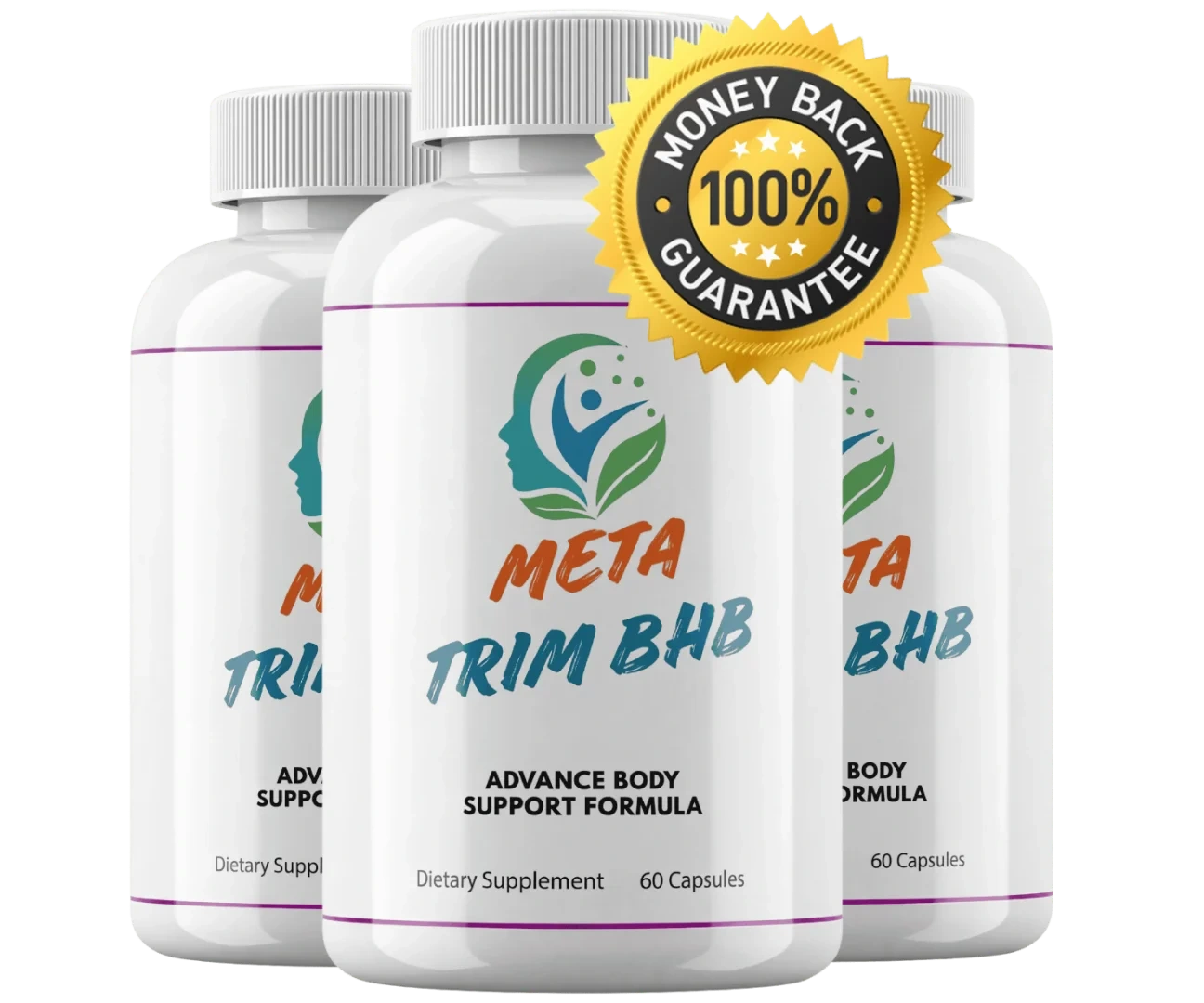
Metatrim BHB is a two-capsule daily dose of BHB ketones plus electrolyte minerals. See the exact 800 mg dose in Metatrim BHB and today’s pricing — the six-bottle bundle is the best value at $49 per bottle, with free U.S. shipping and a 60-day guarantee.
Check today’s Metatrim BHB pricing — from $49/bottleWhat ketosis is not: honest expectations
Ketosis describes which fuel you burn, not a guarantee that fat will melt away. You can be firmly in ketosis and still fail to lose weight if you eat more calories than you use, because energy balance, not ketone level, ultimately decides body-fat change. Ketosis can make appetite easier to manage and energy steadier, both of which help — but neither repeals the arithmetic of calories. Pooling randomised trials that ran a year or longer, very-low-carbohydrate ketogenic diets produced modestly greater weight loss than low-fat diets (Bueno et al., “Very-low-carbohydrate ketogenic diet v. low-fat diet for long-term weight loss,” British Journal of Nutrition, 2013).
Be wary of any claim that a pill “puts you in ketosis” or “melts fat” on its own; the evidence does not support it, and the honest framing is support, not shortcut. If your goal is fat loss, pair the metabolic state with a sensible deficit — our guide to losing weight on a keto diet walks through how. New to all of this? Start with the keto diet for beginners, then see what is inside Metatrim BHB.
Frequently asked questions
What is ketosis in simple terms?
Ketosis is a natural metabolic state in which your body, low on carbohydrates, breaks down fat into ketone bodies such as BHB and burns them for fuel instead of glucose. It is reached mainly through diet and fasting, not through a supplement.
How long does it take to get into ketosis?
For most people, keeping carbohydrates under about 50 grams a day leads to nutritional ketosis within two to four days, though it can take up to a week. Exercise and intermittent fasting can shorten that window; a big carb meal can end it.
What are the signs you are in ketosis?
Common early signs include a distinctive fruity breath, reduced appetite, more steady energy once adapted, and measurable ketones on a blood or breath meter. Some people also notice thirst and mild fatigue during the first-week transition.
Does Metatrim BHB put me into ketosis?
No. Metatrim BHB supplies exogenous beta-hydroxybutyrate that raises blood ketones for a few hours, but true nutritional ketosis is the fat-adapted state your own body reaches by restricting carbohydrates. The supplement complements the diet rather than replacing it.
Can you be in ketosis and still not lose weight?
Yes. Ketosis describes which fuel you burn, not a guarantee of fat loss. Weight change still depends on your overall calorie balance, so it is possible to be in ketosis yet eat enough to maintain or gain weight.
How much BHB is in Metatrim BHB?
Metatrim BHB provides an 800 mg proprietary blend of magnesium, calcium and sodium beta-hydroxybutyrate in each 2-capsule serving, with 30 servings per bottle. Take it with water and do not exceed the label dose.
See the exact dose in Metatrim BHB — try it risk-free for 60 days →
Metatrim BHB is a dietary supplement, not a treatment for any medical condition. These statements have not been evaluated by the Food and Drug Administration. This product is not intended to diagnose, treat, cure or prevent any disease. Always consult a qualified healthcare professional about your individual needs.
References & further reading
- National Center for Complementary and Integrative Health (NCCIH). Ketogenic Diet — Diet and Nutrition. nccih.nih.gov/health/diet-and-nutrition
- Examine.com. Ketogenic Diet — evidence-based overview. examine.com/topics/ketogenic-diet
- National Library of Medicine (StatPearls / NCBI Bookshelf). Physiology, Ketosis. ncbi.nlm.nih.gov/books/NBK499830
- Cahill GF Jr. Fuel metabolism in starvation. Annual Review of Nutrition, 2006 (PMID 16848698)
- Harvard T.H. Chan School of Public Health, The Nutrition Source. Diet Review: Ketogenic Diet for Weight Loss. nutritionsource.hsph.harvard.edu/healthy-weight/diet-reviews/ketogenic-diet
These references describe ketogenic nutrition and the ingredients in general terms and do not constitute evidence that any product treats, cures or prevents any condition.
Keep reading: how to get into ketosis faster · what is BHB and how exogenous ketones work · back to the Metatrim BHB blog · homepage.