How to Boost Your Metabolism Naturally: A Metatrim BHB Guide

Updated September 2026 · reviewed by the Metatrim BHB Research Team. We are an independent information resource, not a medical provider, and this article is educational rather than medical advice.
To boost your metabolism naturally means raising the calories your body burns each day through habits it responds to — building muscle, moving more, eating enough protein and sleeping well — rather than chasing a quick fix. Metatrim BHB walks through the evidence-based levers that actually work, and where a keto BHB routine honestly fits.
How to boost metabolism naturally, in one place.
- The honest answer
- You cannot rewrite your genetics, but you can meaningfully raise daily energy burn through muscle, movement, protein and sleep.
- Biggest lever
- Lean muscle drives your resting metabolic rate; strength train two or three times a week to build and protect it.
- Easiest win
- Eat enough protein: it has the highest thermic effect of any macronutrient and helps preserve muscle.
- Don't skip sleep
- Seven to nine hours keeps hunger and blood-sugar hormones in a healthier range.
- Where BHB fits
- A low-carb routine shifts you toward burning fat; exogenous BHB supplies ketone fuel and electrolytes, but complements the diet rather than replacing it.
“How do I speed up my metabolism?” is one of the most searched health questions, and it attracts more myths than almost any other. This guide separates the levers that genuinely move the needle from the ones that mostly move your money, and shows where a supplement like Metatrim BHB honestly fits a low-carb routine — and where it does not.

What does it actually mean to “boost” your metabolism?
Your metabolism is the sum of every chemical process that turns food into energy, and “boosting” it simply means increasing how much energy your body uses across the day. That daily total has three parts: your resting metabolic rate, the energy you burn just staying alive (roughly 60 to 70 percent of the total); the thermic effect of food, the energy spent digesting meals (around 10 percent); and physical activity, both deliberate exercise and the fidgeting, walking and standing researchers call non-exercise activity.
The useful insight is that you have real influence over each slice: grow the resting portion by adding muscle, nudge the food portion by choosing protein, and expand the activity portion by moving more. None is magic, but together they are the whole honest story of a faster metabolism.
Can you really speed up your metabolism — or is it fixed?
The truth is in between: your baseline is shaped by age, sex, body size and genetics, but a meaningful share is within your control. You cannot transform a slow metabolism into a furnace overnight, yet it is equally wrong to say nothing can be done. Two people of the same weight can differ in daily burn by hundreds of calories, and much of that gap comes down to muscle mass and movement — both trainable. Pooling randomised trials that ran a year or longer, very-low-carbohydrate ketogenic diets produced modestly greater weight loss than low-fat diets (Bueno et al., “Very-low-carbohydrate ketogenic diet v. low-fat diet for long-term weight loss,” British Journal of Nutrition, 2013).
What does not work is worth naming too. Isolated “fat-burner” pills, cleanses and crash diets tend to backfire: severe calorie restriction can actually lower your resting rate as the body defends itself. The table below sorts the popular levers by how well the evidence supports them.
| Lever | How it helps | Evidence strength |
|---|---|---|
| Building muscle | Raises resting metabolic rate; muscle is metabolically active tissue | Strong |
| Protein at every meal | Highest thermic effect; preserves muscle while dieting | Strong |
| Daily movement (NEAT) | Expands the activity slice without formal exercise | Strong |
| Adequate sleep | Keeps hunger and blood-sugar hormones in a healthy range | Moderate to strong |
| Fat-adaptation / low-carb | Shifts fuel use toward stored fat | Moderate |
| Coffee & green tea | Small, short-lived rise in energy expenditure | Weak to modest |
| “Fat-burner” pills alone | Marketed as shortcuts | Weak / often none |
How does eating more protein boost metabolism?
Protein raises your metabolism more than any other macronutrient because it costs the most energy to digest. This is the thermic effect of food: your body burns roughly 20 to 30 percent of the calories in protein just breaking it down, versus about 5 to 10 percent for carbohydrate and only 0 to 3 percent for fat. Some of what you eat as protein is spent the moment you eat it.
The second benefit is quieter but bigger. When you lose weight, some loss can come from muscle unless you protect it — and losing muscle lowers your resting rate. A higher-protein intake, paired with resistance training, helps hold on to that calorie-hungry tissue, so your metabolism does not sag as the scale drops. Protein is also the most filling macronutrient, making an appropriate calorie intake easier to sustain. We work through the practical version in our guide to losing weight on a keto diet.
| Macronutrient | Thermic effect (calories burned digesting) | Everyday takeaway |
|---|---|---|
| Protein | ~20–30% | Highest burn; most filling; protects muscle. Anchor each meal with it. |
| Carbohydrate | ~5–10% | Moderate; quality and quantity matter more than the small thermic effect. |
| Fat | ~0–3% | Lowest thermic effect; still essential, but not a metabolism lever on its own. |

Why is muscle the biggest natural metabolism lever?
Lean muscle is the largest thing you can change about your resting metabolic rate, because it is living tissue that costs energy to maintain even at rest. Adding muscle raises your baseline burn around the clock — while you work, sleep and sit — which is why strength training is the most durable way to speed up a slow metabolism. A randomised crossover trial found that cutting sleep under free-living conditions raised appetite and food intake (Tajiri et al., “Effects of sleep restriction on food intake and appetite under free-living conditions,” Appetite, 2023).
How often should you strength train?
For most people, resistance training two or three times a week is enough to build and preserve muscle — free weights, machines, bands or bodyweight moves like squats, push-ups and lunges. The goal is progressive effort over time, not punishing single sessions. Muscle you build this year keeps working for you next year.
Does everyday movement matter as much as the gym?
Often, yes. Non-exercise activity thermogenesis — the calories you burn walking, cleaning, gardening, taking stairs and simply not sitting still — can vary by hundreds of calories a day between people. It is the most overlooked lever precisely because it never feels like “exercise.” A short walk after meals, a standing desk or taking the stairs all quietly enlarge your daily burn.
Fuel your fat-adaptation
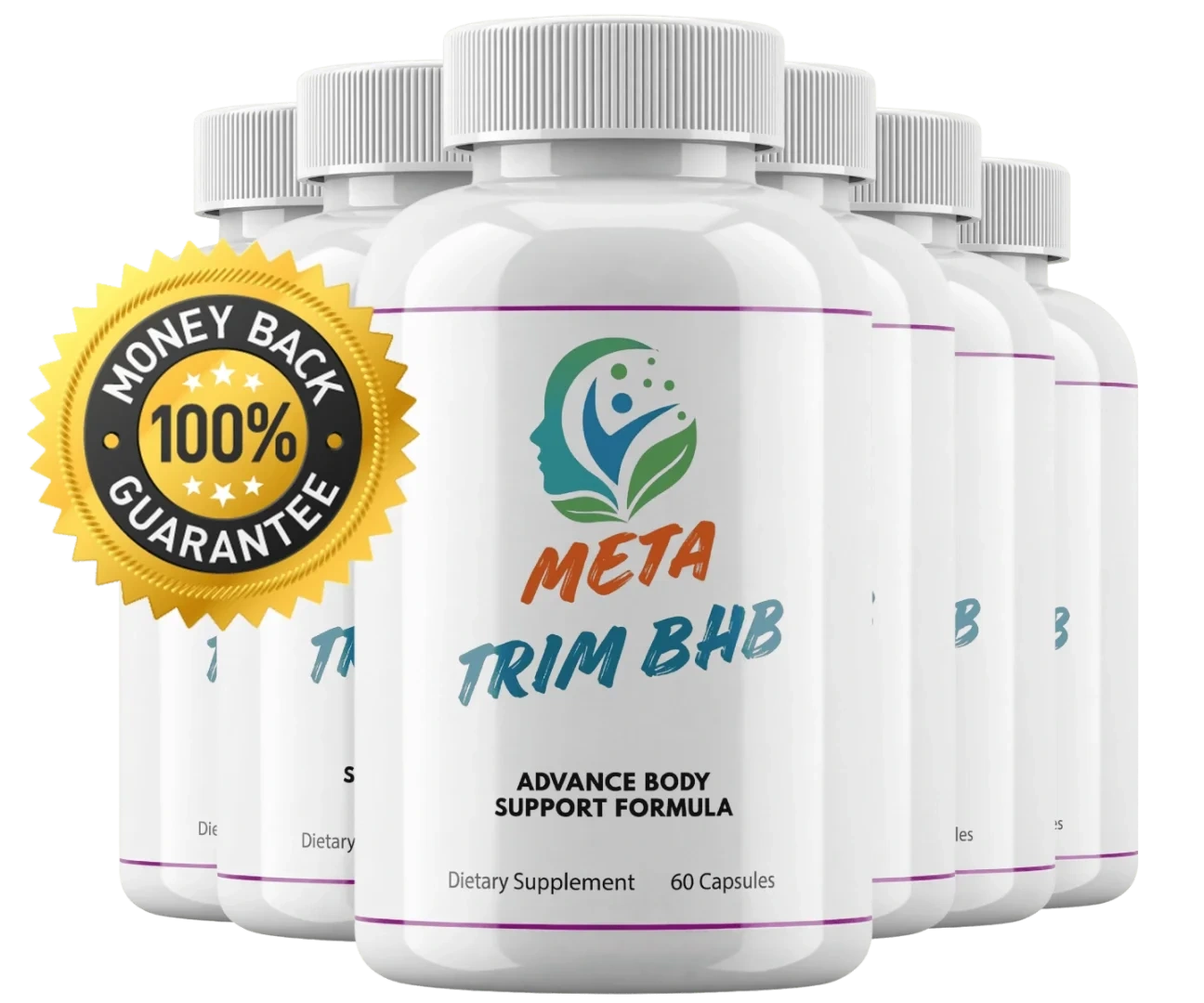
Once the habits are in place, a keto BHB routine can support fat-burning energy through the transition. See the exact dose in Metatrim BHB — an 800 mg blend of magnesium, calcium and sodium BHB, two capsules a day. The six-bottle bundle is the best value at $49 per bottle, with free U.S. shipping and a 60-day guarantee.
Check today's Metatrim BHB pricing — from $49/bottleHow does sleep control your metabolism?
Sleep is a metabolic regulator, not just rest: too little of it disrupts the hormones that govern hunger, fullness and blood sugar. When sleep is short, appetite-driving signals rise, fullness signals fall, and the body handles glucose less efficiently — a combination that nudges you toward eating more and storing fat more readily. Consistently getting seven to nine hours keeps those systems in a healthier range.
You do not need perfection to benefit. A regular bedtime, a dark, cool room, and cutting late caffeine and screens are small changes that pay dividends. If you take an evening supplement, note that stimulants and some “energy” formulas can fragment sleep — one reason a stimulant-free routine has quiet appeal.
How does fat-adaptation change your fat metabolism?
Fat-adaptation is the state in which your body becomes efficient at burning stored fat for fuel, reached by keeping carbohydrate low enough that fat and ketones take over as the main energy source. On a carb-fed diet, your body reaches first for glucose. When carbohydrate stays low — often under 50 grams a day — the liver ramps up fat breakdown and releases ketones, chiefly beta-hydroxybutyrate (BHB), into the blood as a clean alternative fuel. If the fat-adaptation runway is the part you are stuck on, our guide to getting into ketosis faster sets out the levers that genuinely shorten it.
This does not “speed up” metabolism so much as change what it burns, tilting it toward fat. The trade-off is the transition: for the first days to weeks, before your own ketone production catches up, many people feel the dip nicknamed the “keto flu” — much of it simply lost electrolytes. Our explainer on BHB and exogenous ketones goes deeper, and the keto diet for beginners guide covers getting started.
Where does a keto BHB routine like Metatrim BHB fit?
A BHB supplement is a support for fat-adaptation, not a metabolism booster that works on its own. Metatrim BHB supplies exogenous beta-hydroxybutyrate bound to three electrolyte minerals — magnesium, calcium and sodium — which does two honest jobs during a low-carb routine: it offers ketone fuel your body can use, and it replaces the electrolytes carbohydrate restriction flushes out, the ones behind most early-keto fatigue and cramps.
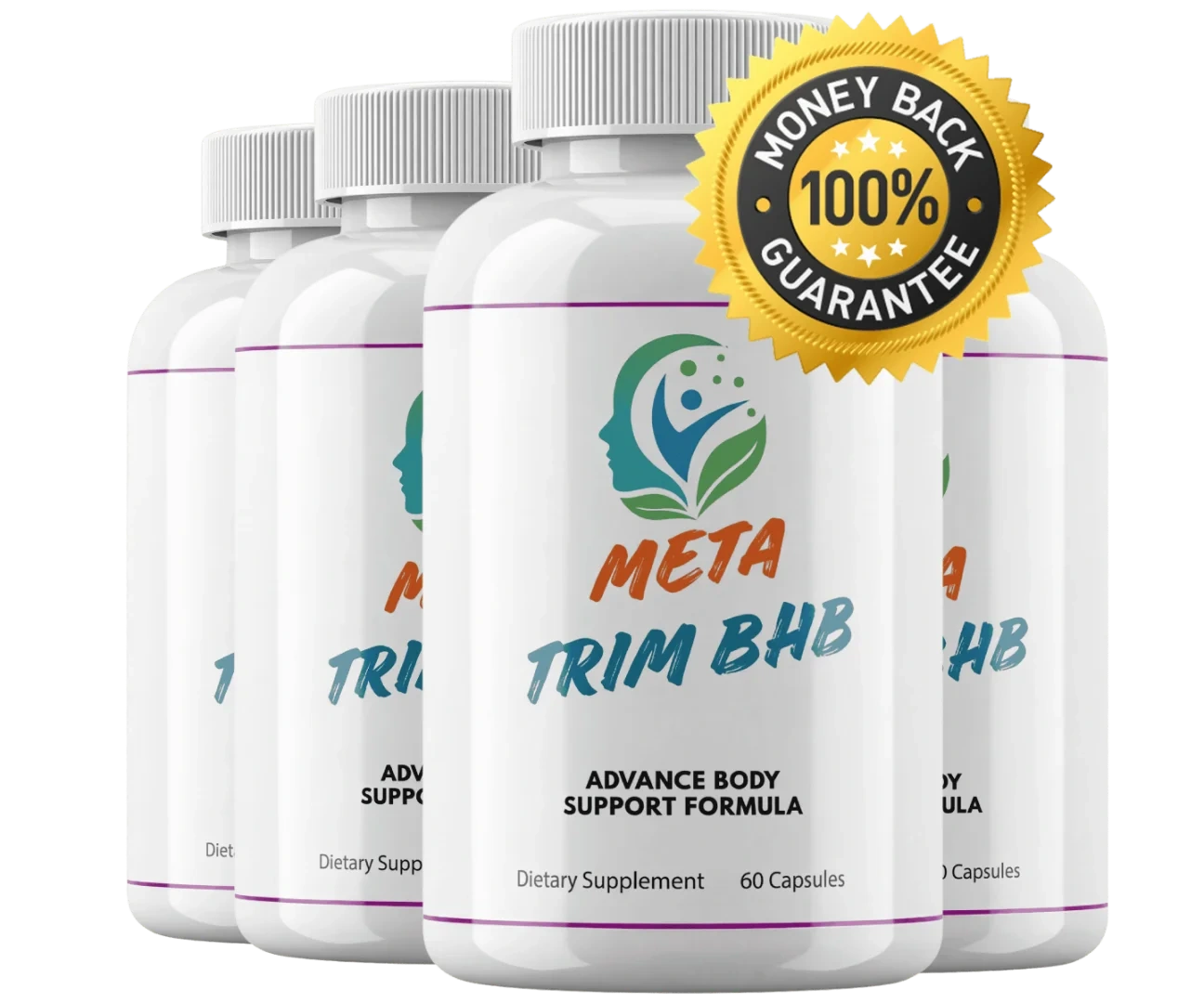
What it will not do is replace the four levers above. No capsule out-burns a sugary diet, builds muscle for you, or manufactures sleep. Used sensibly, though, exogenous BHB can smooth the early keto transition so the diet is easier to stick with — and consistency is what actually moves your metabolism over months. See the exact dose in Metatrim BHB: an 800 mg BHB blend in a two-capsule daily serving.
A realistic weekly starting point
Put together, an honest natural-metabolism plan is unglamorous and effective: anchor each meal with protein, strength train two or three times a week, walk daily and protect your sleep. If you are eating low-carb, add electrolytes — from food or a BHB salt — to ease the transition. None of these is a miracle; all are real, and they compound.
See the exact dose in Metatrim BHB →
Metatrim BHB is a dietary supplement, not a treatment for any medical condition. These statements have not been evaluated by the Food and Drug Administration. This product is not intended to diagnose, treat, cure or prevent any disease. Always consult a qualified healthcare professional about your individual needs.
Frequently asked questions
Can you really boost your metabolism naturally?
To a modest, meaningful degree, yes. You cannot rewrite your genetics, but you can raise your daily energy expenditure by building muscle, moving more, eating enough protein and sleeping well. These levers are well supported by research and add up over time, even if no single one is dramatic on its own. In a tightly controlled metabolic-ward study, switching to an isocaloric ketogenic diet changed energy expenditure only slightly and did not accelerate body-fat loss (Hall et al., “Energy expenditure and body composition changes after an isocaloric ketogenic diet in overweight and obese men,” American Journal of Clinical Nutrition, 2016).
Does eating more protein speed up metabolism?
Protein has the highest thermic effect of the three macronutrients, meaning your body burns roughly 20 to 30 percent of protein calories just digesting and processing it, versus about 5 to 10 percent for carbohydrate and 0 to 3 percent for fat. Protein also helps preserve calorie-hungry muscle while you lose weight, so it supports metabolic rate two ways.
What is the single biggest driver of metabolic rate?
Your resting metabolic rate is the largest slice of daily energy use, and lean muscle mass is the biggest thing you can change about it. Resistance training two or three times a week builds and preserves muscle, which raises the calories your body burns at rest.
How does poor sleep affect metabolism?
Short or poor sleep disrupts the hormones that govern hunger and blood sugar, raising appetite and making the body store fat more readily. Consistently getting seven to nine hours supports a healthier metabolic environment, which is why sleep belongs on any honest list of natural metabolism levers.
Does a keto or BHB routine boost fat metabolism?
A well-formulated low-carb diet shifts the body toward burning fat for fuel, a state called fat-adaptation. Exogenous BHB, as found in Metatrim BHB, supplies ketone fuel and electrolyte minerals that can support energy during the early keto transition, but it complements the diet rather than replacing it or burning fat by itself.
How much BHB is in Metatrim BHB, and how do I take it?
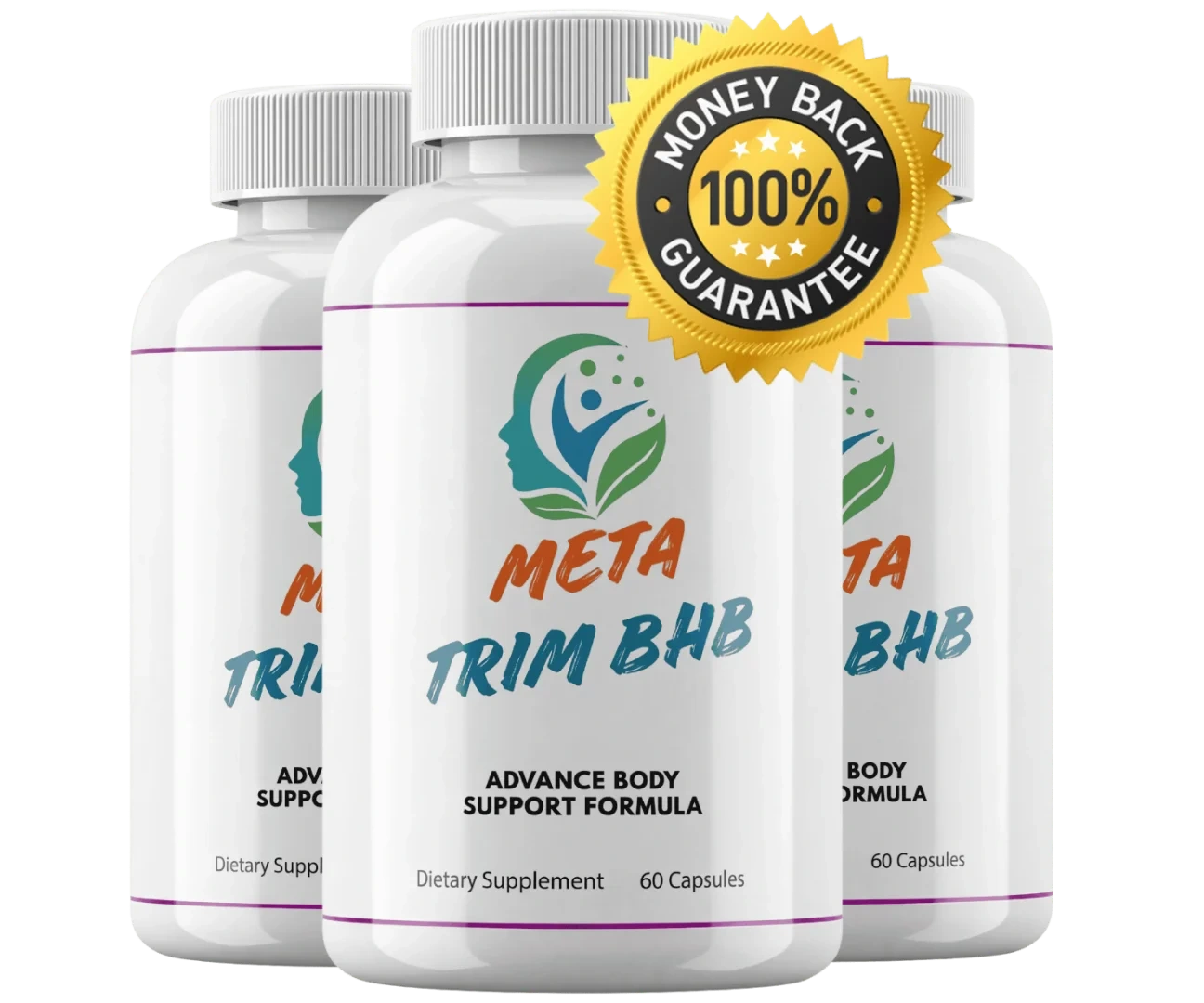
Metatrim BHB provides an 800 mg proprietary blend of magnesium, calcium and sodium beta-hydroxybutyrate in each 2-capsule serving, with 30 servings per bottle. Most people take it once or twice daily with water. Follow the label and do not exceed the recommended dose.
Try Metatrim BHB risk-free for 60 days →
References & further reading
- National Institute of Diabetes and Digestive and Kidney Diseases (NIH). Understanding metabolism and weight. niddk.nih.gov/health-information/weight-management
- Mayo Clinic. Metabolism and weight loss: How you burn calories. mayoclinic.org/healthy-lifestyle/weight-loss/in-depth/metabolism
- Examine.com. Protein intake, thermic effect of food and body composition — evidence summary. examine.com/nutrition/thermic-effect-of-food
- Harvard T.H. Chan School of Public Health. The Nutrition Source: Protein. nutritionsource.hsph.harvard.edu/what-should-you-eat/protein
- Tajiri E, Yoshimura E, Tobina T, et al. Effects of sleep restriction on food intake and appetite under free-living conditions: A randomized crossover trial. Appetite, 2023 (PMID 37562755)
- National Center for Complementary and Integrative Health (NCCIH). Diet and Nutrition. nccih.nih.gov/health/diet-and-nutrition
These references describe metabolism, nutrition and the ingredients in general terms and do not constitute evidence that any product treats, cures or prevents any condition.
Keep reading: what is BHB and how exogenous ketones work · keto electrolytes explained · back to the Metatrim BHB blog · homepage.