Berberine vs BHB for Weight Loss: Where Does Metatrim BHB Fit?

Updated September 2026 · reviewed by the Metatrim BHB Research Team. We are an independent information resource, not a medical provider, and this article is educational rather than medical advice.
Berberine and BHB are two very different tools often aimed at the same goal: berberine is a plant compound studied mainly for blood-sugar and metabolic support, while BHB is a ketone fuel your body burns when carbohydrates are low. Metatrim BHB sits firmly in the second camp, and this guide compares the two honestly — without the hype.
Berberine vs BHB, side by side, before the detail.
- What berberine is
- A plant alkaloid from herbs like barberry and goldenseal, studied mostly for blood-sugar and metabolic markers rather than direct fat loss.
- What BHB is
- Beta-hydroxybutyrate, a ketone your liver makes from fat; exogenous BHB delivers that same fuel by mouth to support a keto diet.
- How they differ
- Berberine acts on how your body handles glucose; BHB supplies an alternative low-carb fuel plus the electrolytes keto flushes out.
- Where Metatrim BHB fits
- Metatrim BHB is a BHB-salt formula (magnesium, calcium and sodium BHB) — a keto support, not a berberine product.
- Honest limits
- Neither is a weight-loss drug; both are supports for diet and lifestyle, and berberine can interact with medications.
“Berberine vs BHB” has become one of the most searched supplement match-ups of the year, and it is easy to see why: both show up in weight-loss conversations, yet they work in almost opposite ways. This guide explains what each one actually is, how each is meant to work, what the evidence shows, and where a ketone product like Metatrim BHB honestly fits a low-carb routine. Berberine’s metabolic effects were tested directly in a clinical trial in adults with type 2 diabetes (Yin et al., “Efficacy of berberine in patients with type 2 diabetes mellitus,” Metabolism, 2008).
What is berberine, and where does it come from?
Berberine is a bright-yellow plant alkaloid found in herbs such as barberry, goldenseal, Oregon grape and tree turmeric, used for centuries in traditional systems and now sold as a standalone supplement. In the last few years it has been nicknamed “nature’s metabolic helper” online, largely because research has focused on its effect on blood-sugar handling. It is important to separate that research interest from the bolder weight-loss claims that fill social media, which run well ahead of the evidence. Pooling randomised trials that ran a year or longer, very-low-carbohydrate ketogenic diets produced modestly greater weight loss than low-fat diets (Bueno et al., “Very-low-carbohydrate ketogenic diet v. low-fat diet for long-term weight loss,” British Journal of Nutrition, 2013).
Mechanistically, berberine is studied for its activity on an enzyme called AMPK, sometimes described as a cellular “fuel gauge” involved in how cells use glucose and fat. That is a plausible metabolic story, but a mechanism in a cell is not the same as a proven result on the scale, and berberine is typically taken as several divided doses a day because it clears the body quickly. We separate the marketing from the measurements in our piece on whether BHB burns fat.
What is BHB, and how is it different from berberine?
BHB, or beta-hydroxybutyrate, is a ketone your liver makes from fat when carbohydrates are scarce, and it is the same molecule delivered in an exogenous BHB supplement. That is the fundamental split: berberine is a botanical that influences how you process glucose, while BHB is an actual fuel your body can burn in place of sugar. One is a plant compound; the other is a metabolic energy source. We draw that line clearly in our explainer on exogenous vs endogenous ketones.
Because BHB is a fuel rather than a botanical, it slots directly into the low-carb picture. When you cut carbohydrates, your own liver starts making BHB; taking exogenous BHB simply supplies that same fuel by mouth for a few hours. In Metatrim BHB, the ketone is bound to three minerals — magnesium, calcium and sodium — so each capsule also carries electrolytes. If you want the full mechanism, see our explainer on what BHB is and how exogenous ketones work.
How is each one meant to work for weight loss?
The two supplements target completely different levers, so comparing them fairly means looking at each mechanism on its own terms. Neither “burns fat” directly; each is proposed to make a supporting change that a diet then has to build on.
How is berberine thought to work?
Berberine is thought to work mainly by nudging glucose metabolism — supporting healthy blood-sugar handling and insulin sensitivity, which in turn may make an eating plan easier to stick to. The theory is that steadier blood sugar means fewer energy crashes and cravings, but that is an indirect route to the scale, and results depend heavily on diet quality rather than the capsule itself.
How is exogenous BHB thought to work?
Exogenous BHB is thought to work by raising blood ketones for a few hours, supplying a low-carb fuel and the electrolytes that ease the early-keto transition. It does not force your body into ketosis — only carbohydrate restriction does that — but it can complement the diet by supporting energy while your own ketone production catches up. The table below lines up the two approaches at a glance. In humans, a measured dose of exogenous ketones lifts blood beta-hydroxybutyrate for a matter of hours before the body clears it again (Stubbs et al., “On the Metabolism of Exogenous Ketones in Humans,” Frontiers in Physiology, 2017).
| Berberine | BHB (in Metatrim BHB) | |
|---|---|---|
| What it is | Plant alkaloid from herbs like barberry | Ketone your liver makes from fat |
| Main proposed lever | Glucose and metabolic handling (AMPK) | Ketone fuel + electrolytes for low-carb |
| Diet it suits | Any diet, not carb-specific | Keto and low-carb specifically |
| Typical use | Divided doses through the day | 1–2 capsule doses with water |
| Doubles as electrolytes? | No | Yes — magnesium, calcium, sodium |
See the exact dose in Metatrim BHB →
What does the evidence actually say?
Honest reporting means admitting that the evidence for both is limited and should not be read as a promise of weight loss. Supplement research is often small, short and mixed, so the sensible reading is “interesting signal, not settled fact” for each of these ingredients.
How strong is the berberine evidence?
The berberine evidence is strongest for blood-sugar and cholesterol markers, and much weaker and less consistent for weight loss itself. Several small trials report metabolic changes, but studies vary in dose, duration and quality, and berberine is not an approved treatment for any condition. It can also interact with medications and cause digestive upset, which is why a pharmacist’s input matters before starting it.
How strong is the BHB evidence?
The BHB evidence shows that exogenous ketones reliably raise blood BHB for a few hours, but whether that translates into meaningful fat loss on its own is unproven. What is better established is the practical role of BHB salts on keto: supplying electrolytes that ease the transition and supporting perceived energy. In other words, BHB’s honest value is as a keto complement, not a stand-alone slimming pill.
| Claim | Berberine | BHB |
|---|---|---|
| Blood-sugar markers | Some supportive studies | Not its main role |
| Direct weight loss | Weak, inconsistent | Unproven on its own |
| Raises blood ketones | No | Yes, for a few hours |
| Electrolyte support | No | Yes |
| Medication interactions | Notable — check first | Fewer, but mind the sodium |
Which fits a low-carb or keto diet better?
For someone eating keto, BHB is the more natural fit because it is the same fuel the diet already produces and it replaces the electrolytes carb restriction flushes away. Berberine is diet-agnostic — it can be used on any eating pattern — whereas BHB is purpose-built for the low-carb context. If your plan is keto and your pain points are the early-week slump, cramps and fatigue, a mineral-bound BHB salt speaks directly to those problems.
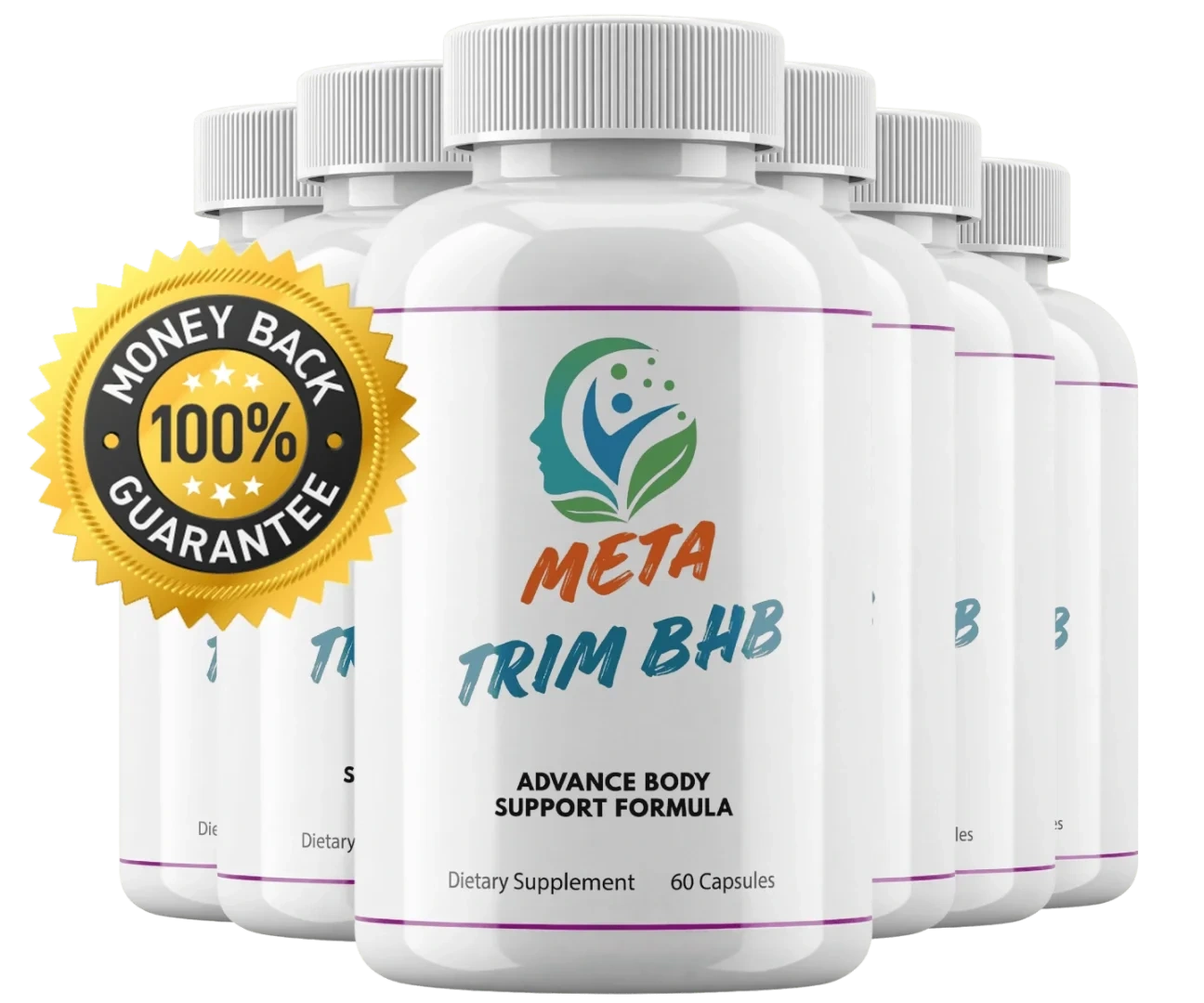
That is exactly the gap Metatrim BHB is built for. It provides an 800 mg blend of magnesium, calcium and sodium beta-hydroxybutyrate in a two-capsule serving, pairing ketone fuel with three electrolyte minerals. For the wider transition, our guide to avoiding the keto flu naturally covers the same minerals from the food-and-hydration side.
Support your keto diet with BHB
Metatrim BHB is a two-capsule daily dose of BHB ketones and electrolyte minerals, made for the low-carb context berberine was never designed for. The six-bottle bundle is the best value at $49 per bottle, with free U.S. shipping and a 60-day guarantee.
Check today’s Metatrim BHB pricing — from $49/bottleCan you take berberine and BHB together?
Because berberine and BHB act on different pathways, many people do combine them, but that convenience comes with a caution rather than a green light. Berberine can interact with medications — including those for blood sugar and blood pressure — and can compound the effect of some drugs, so a conversation with a pharmacist or doctor should come before any stack. BHB salts add sodium, which most people tolerate well but which is worth noting if you watch your sodium intake.
If you decide to use both, a common-sense approach is to introduce them one at a time, at label doses, so you can tell how each affects you. There is no need to take megadoses of either; more is not better, and both work only as partners to the actual diet.
How should you choose between berberine and BHB?
The right pick comes down to your goal and how you eat, not to which ingredient is trending this month. If your focus is blood-sugar handling on a mixed diet and you have cleared it with a professional, berberine is the ingredient people reach for. If you are running keto or low-carb and want fuel plus electrolytes to smooth the ride, BHB — and a formula like Metatrim BHB — is the more logical match. What ketones do for the brain specifically is covered in our piece on how BHB fuels the brain.
What are sensible expectations?
Sensible expectations are the honest heart of this comparison: neither berberine nor BHB is a shortcut, and any product promising effortless fat loss from a capsule is overselling. What each can reasonably do is support the work — berberine on the glucose side, BHB on the ketone-and-electrolyte side — while your diet, sleep and movement do the heavy lifting. New to low-carb eating? Start with our keto diet for beginners guide, then see what is inside Metatrim BHB.
Frequently asked questions
Is berberine or BHB better for weight loss?
Neither is a weight-loss drug. Berberine is studied mainly for blood-sugar and metabolic markers, while exogenous BHB supplies ketone fuel and electrolytes that complement a low-carb diet. The better fit depends on your goal and how you eat, and both work best alongside diet and lifestyle rather than instead of them.
What is the difference between berberine and BHB?
Berberine is a plant alkaloid that acts on how your body handles glucose, while BHB is a ketone your liver makes from fat and can be taken by mouth as a low-carb fuel. Berberine is about glucose handling; BHB is about ketone fuel and electrolytes on keto.
Does Metatrim BHB contain berberine?
No. Metatrim BHB is an exogenous BHB-salt formula with an 800 mg blend of magnesium, calcium and sodium beta-hydroxybutyrate in each 2-capsule serving. It does not contain berberine, so if you specifically want berberine you would use a separate product.
Can you take berberine and BHB together?
Many people combine them, since they act on different pathways, but berberine can interact with medications such as those for blood sugar and blood pressure. Talk to a pharmacist or doctor before stacking them, especially if you take prescription drugs.
Which one fits a keto diet better?
BHB fits the keto framework most naturally because it is the same ketone fuel your body makes on a low-carb diet, and BHB salts also replace electrolytes keto flushes out. Berberine can be used on any diet and is not tied to carbohydrate restriction.
Are berberine and BHB safe?
Both are generally well tolerated by healthy adults, but neither is a substitute for medical care. Berberine most often causes digestive upset and can interact with medications, while BHB salts add sodium and may loosen digestion at higher doses. Follow the label and consult a professional if you are pregnant, nursing or on medication.
Try Metatrim BHB risk-free for 60 days →
Metatrim BHB is a dietary supplement, not a treatment for any medical condition. These statements have not been evaluated by the Food and Drug Administration. This product is not intended to diagnose, treat, cure or prevent any disease. Berberine and BHB are described in general, educational terms; always consult a qualified healthcare professional about your individual needs and any medications.
References & further reading
- National Center for Complementary and Integrative Health (NCCIH). Goldenseal (a source of berberine) — overview. nccih.nih.gov/health/goldenseal
- Examine.com. Berberine — evidence-based summary. examine.com/supplements/berberine
- Examine.com. Ketone Bodies — evidence-based summary. examine.com/supplements/ketone-bodies
- Yin J, Xing H, Ye J. Efficacy of berberine in patients with type 2 diabetes mellitus. Metabolism, 2008 (PMID 18442638)
- National Institutes of Health, Office of Dietary Supplements. Magnesium — Fact Sheet for Health Professionals. ods.od.nih.gov/factsheets/Magnesium-HealthProfessional
These references describe the ingredients and nutrition in general terms and do not constitute evidence that any product treats, cures or prevents any condition.
Keep reading: what BHB is and how exogenous ketones work · how to lose weight on a keto diet · back to the Metatrim BHB blog · homepage.